Blog / Laurel Asphalt Blog

The Best Method For Pothole Repair – Cold Patch Or Hot Mix Asphalt?

The Best Method For Pothole Repair – Cold Patch Or Hot Mix Asphalt?

If you've ever had the displeasure of hitting a pothole, you know that it can wreck your day. Not to mention, it's a safety hazard. So, if you find any on your driveway, you wouldn't want to waste any time and repair it immediately. But what's the best way to repair potholes?

When repairing potholes, many assume that the only way to do it is by using hot mix asphalt. However, another option can be just as effective – a cold patch. Laurel Asphalt is a paving maintenance firm in Bedford that provides top-quality asphalt paving and related services.

In this blog post, we will closely examine both methods and compare them to see which is best for your specific needs.  

Hot Mix Asphalt

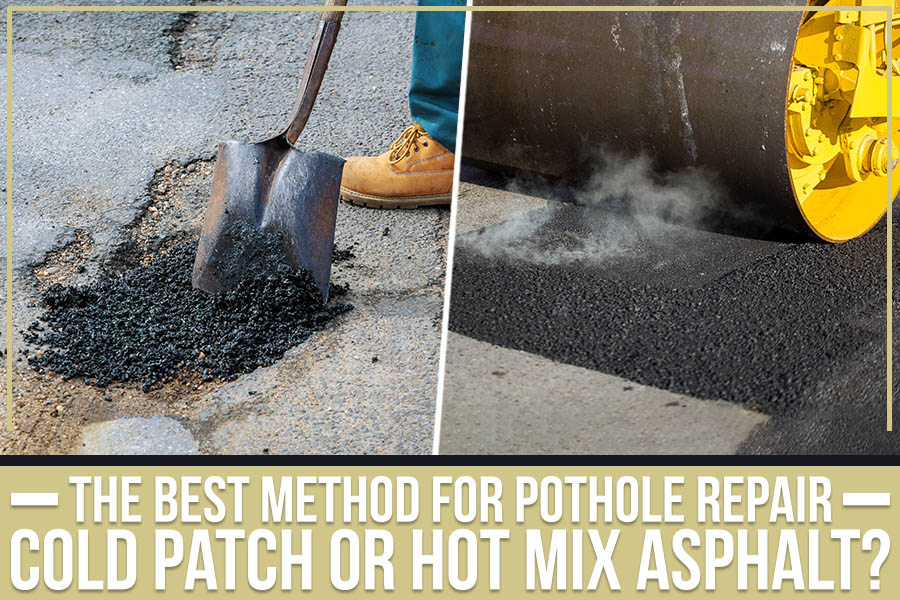
Hot mix asphalt is the most common method for repairing potholes. It involves heating a mixture of aggregate and bitumen to create a hot, gooey substance that can be easily poured into the pothole. The hot mix will cool and harden, creating a solid and durable patch.

Advantages

There are several advantages to using hot mix asphalt for pothole repair, including:

  • It's quick and easy to use;
  • It creates a long-lasting repair;

Disadvantages

However, there are also some disadvantages to consider, such as:

  • It's more expensive than a cold patch;
  • It requires specialized equipment;
  • It can only be used when the temperature outside is above 40 degrees;

Cold Patch

A cold patch is an alternate method for repairing potholes. It's a cheaper and simpler option that can be done without specialized equipment.

To use the cold patch, you must fill the pothole with an asphalt-based material. It can be done by using a shovel or trowel to fill the hole, then compacting the material with a hand tamper or vehicle tire.

Advantages

Following are some benefits of using a cold patch to repair potholes.

  • It is relatively less expensive;
  • Cold patch is a simple method that doesn't require much expertise;
  • No special equipment is needed to do a cold patch;
  • The cold patch can be used in most weather conditions;

Disadvantages

There are also some disadvantages to consider, such as:

  • It's not as strong or durable as hot mix asphalt;
  • It takes longer to set and cure;
  • It can't be used in wet weather conditions;

Which is The Best Method?

So, what's the best method for pothole repair – cold patch or hot mix asphalt? There is no definitive answer, as each has its advantages and disadvantages. Ultimately, the best choice will depend on your budget, damage severity, and skillset. If you're confident in your abilities and have the time and money to spare, then hot mix asphalt is the better option. However, if you're on a tight budget or don't have the time to wait for the asphalt to cool, then the cold patch is probably your best bet.

Whichever method you choose, make sure you do a good job – nobody likes driving over a pothole! Laurel Asphalt serving Bedford is the firm to call if you need professional asphalt paving services.
Get a free estimate today!

Posted in:

Related Posts

Myth Buster Of Asphalt Paving And Compaction: Winter Durability

Myth Buster Of Asphalt Paving And Compaction: Winter Durability

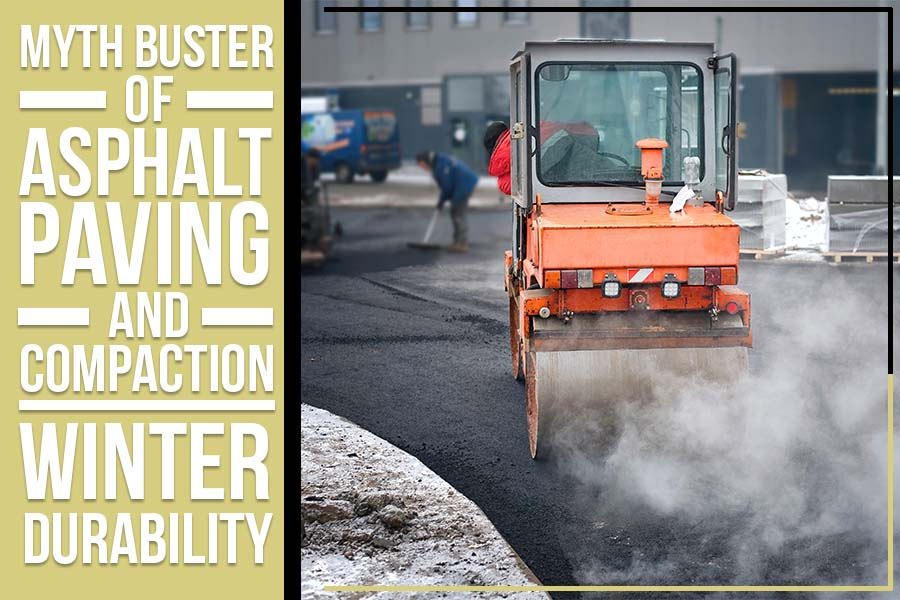
Key Takeaways: 1. Asphalt paving and compaction are vital factors in ensuring the winter durability of roads, parking lots, and other paved surfaces. 2. The myths, such as cold weather affecting asphalt paving or compaction, are - myths. 3. Understanding the processes of asphalt paving and compaction will help ensure that your roads and parking lots are safe and durable all year round. 4. Hire only the best paving contractors to ensure that your asphalt paving and compaction are correctly and effectively done. With that sense of urgency and worry on the minds of many asphalt paving contractors (as well as homeowners), one big myth continues to persist – that winter weather is detrimental to pavement durability. But the truth is that your pavement can survive even the harshest winters with proper asphalt compaction techniques and winter-specific paving methods. Laurel Asphalt is here to discuss some common myths about asphalt paving and compaction in winter and how they are only partially related. Let's look at some common asphalt compacting myths in winter. 1. Asphalt paving is a cold weather activity One of the most typical myths about asphalt paving is that it can only be done in cold weather. This is not true. Asphalt can be paved in various weather conditions, including hot and humid weather, as long as the temperature is around 50 degrees Fahrenheit. However, with other specialized methods, some paving contractors can even lay asphalt in much colder temperatures. 2. Winter asphalt paving is more complicated than summer asphalt paving While it is true that winter asphalt paving can be more challenging than summer asphalt paving, it is not necessarily more complex. Cold weather can make it more difficult to achieve the proper compaction of the asphalt. Still, with the appropriate equipment and techniques, winter asphalt paving can be just as successful as summer asphalt paving. The use of additives that help maintain the viscosity of the asphalt in cold temperatures can also make winter asphalt paving more manageable. 3. Winter asphalt paving is more expensive than summer asphalt paving The cost of winter asphalt paving is typically the same as the cost of summer asphalt paving. The main difference is that winter asphalt paving may require special equipment, such as heated screeds, to achieve the proper asphalt compaction. However, that's not your headache, as you can quickly leave it to your paving contractor. 4. Winter asphalt pavements are more likely to crack than summer ones Cracking is a common issue with all types of pavement regardless of the season it was paved. However, winter pavements are not necessarily more likely to crack than summer pavements. Properly constructed and maintained winter pavements can be just as durable as summer pavements. When it comes to asphalt compaction in winter, you must be wary about using the wrong equipment or techniques, which can lead to cracking and other durability problems. 5. Winter asphalt pavements require less maintenance than summer asphalt pavements All types of pavement require regular maintenance to stay in good condition. Winter pavements are no different and should be inspected and repaired regularly, just like any other type of pavement. Care is an essential factor that follows asphalt paving, no matter which season you're talking about. Each kind of weather requires a certain degree of maintenance that cannot be overlooked. For instance, during monsoon season, when the roads are often wet and slippery, applying a layer of sand or salt is essential to help reduce the risk of accidents. Some Best Practices for Asphalt Compaction during Winter Temperature maintenance for asphalt When it's colder, you must ensure that your asphalt is delivered to the paving site at temperatures above freezing. The asphalt temperature should be maintained at the recommended range's higher end. Your paving contractor must make it a habit to use insulated beds, tarps, and heaters on delivery trucks to keep the asphalt warm until it is ready to be laid down. Maintaining continuous speed In Greensburg, PA (where winters can be harsh and lethal), you have to make sure that your asphalt is laid down at a continuous speed and smoothly. The asphalt tends to cool quickly when not moving, so keeping the paving machine on the move is essential. Otherwise, when it comes time for compaction, you will find that the asphalt needs to respond better, and some voids can be seen in your finished project. Increase the mat thickness Laying and asphalt compacting in thinner, multiple layers can help to increase the overall durability of your asphalt paving. This is because you can establish a more robust and continuous base layer that will withstand the elements and heavy loads better. Additionally, by spreading out the asphalt over multiple layers, you will be able to ensure that it is uniformly and quickly compacted. Optimum density in a shorter time Another critical factor to consider when paving your asphalt is the density of the asphalt. Achieving optimal density in a shorter time can help ensure that your asphalt paving can withstand heavy traffic loads and the elements. This is often accomplished using a paving contractor with specialized equipment, such as large-sized roller compactors that can evenly and quickly compact the asphalt layer. Warm mix additives Paving contractors often need to consider the benefits of using warm mix asphalt. Using warm mix additives can help improve your asphalt's durability and performance by maintaining the temperature at as high as 170 degrees Fahrenheit while also reducing the amount of fuel required to produce it. Ending Note: The winter season is one of the most challenging times for asphalt paving. However, by understanding the fundamental principles behind asphalt compaction and using a paving contractor with specialized equipment, you can ensure that your asphalt paving projects are durable and perform well even in the harshest winter conditions. Leave your worries in the hand of a professional paving contractor who knows what they're doing. Paving Contractor in Greensburg, PA! Laurel Asphalt, serving Greensburg, PA, is your ultimate source for high-quality asphalt paving, maintenance, and repair services. With specialized equipment and years of experience, we are committed to delivering exceptional results that will stand the test in even the harshest winter conditions. Whether it's a private driveway, major road, or highway, we know the proper techniques and materials to ensure that your paving project is durable, long-lasting, and performs sound year after year. So why wait? Get in touch or get a free estimate now.

How Do I Make My Asphalt Parking Lot ADA-Compliant?

How Do I Make My Asphalt Parking Lot ADA-Compliant?

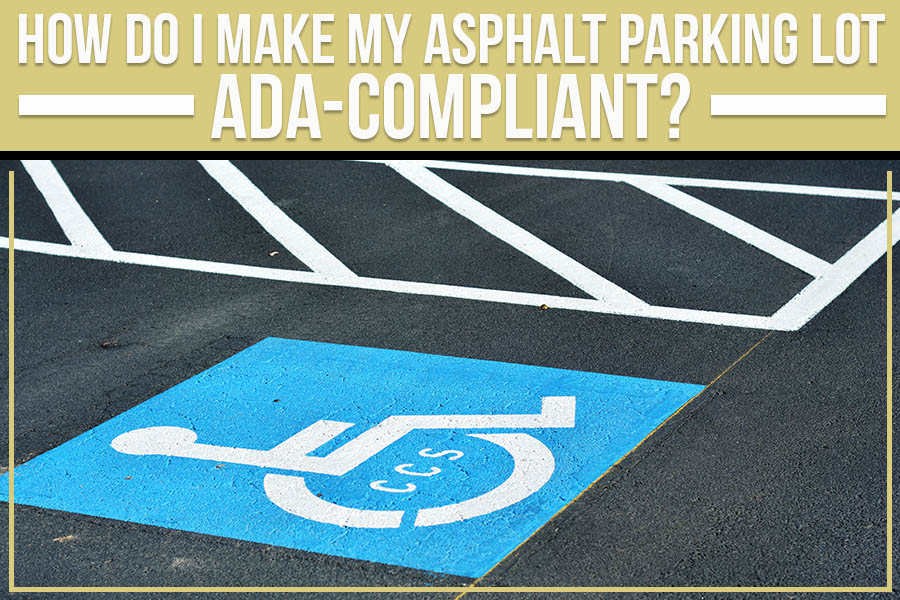
Key Takeaways: The ADA is a set of civil rights laws that safeguard individuals with disabilities from discrimination. The ADA also requires businesses and other organizations to provide appropriate accommodations to individuals with disabilities. To make an asphalt parking lot ADA-compliant, you will need to designate a certain number of handicap-accessible parking spaces and install signage indicating the location of these spaces. Parking lots must be level to meet ADA requirements. Use a laser level to check for irregularities. A non-slip surface is important for safety and will make the parking lot easier to maintain. Accessible parking spots should be near the property entrance and indicate that only handicapped individuals can park there. You will also need at least five feet of space on either side of the spot for wheelchair users. This is so people can easily get in and out of their cars. Making an asphalt parking lot ADA-compliant can seem daunting, but it doesn't have to be. We'll explain everything to make your parking lot accessible for all. We will cover handicapped parking spaces, surfaces, and signage. We will also discuss the ADA and what it means for business owners. By following our guidelines, you can make your asphalt parking lot ADA-compliant and ensure everyone has access to your property! What to Know about ADA? The Americans with Disabilities Act represents a set of civil rights laws that safeguard individuals with disabilities from discrimination. The ADA prohibits discrimination against individuals with disabilities in all areas of public life, including employment, education, transportation, and access to public facilities. The ADA also requires businesses and other organizations to provide appropriate accommodations to individuals with disabilities. To make your asphalt parking lot ADA-compliant, you will need to designate a certain number of handicap-accessible parking spaces, depending on the size of your lot. You will also need to install signage indicating the location of these spaces and provide a smooth, level surface leading from the parking space to the building entrance. If you have an existing asphalt parking lot that does not meet these requirements, you will need to make some modifications. Here's what to do: Level the Ground The first step to making your asphalt parking lot ADA-compliant is to ensure the ground is level. Uneven pavement can create trip hazards for people with disabilities, so it's important to ensure that the surface is level and even throughout. You can check for irregularities with a laser level or transit. Once you've identified any areas that need to be adjusted, use a power trowel or hand-held tamper to level out the ground. If there are any large cracks or holes in the pavement, you'll need to fill them in before proceeding. Use a cold patch material or hot asphalt to fill in defects, and then use a tamper to compact the area. Once the surface is level and smooth, you can paint stripes or markings to designate accessible parking spaces, wheelchair ramps, and other accessible features. Create a Non-Slip Surface One way to make your asphalt parking lot ADA-compliant and safer for everyone is to create a non-slip surface. You can accomplish this by texturing the asphalt or adding a seal coat. A textured surface will provide more traction. A seal coat will create a barrier protecting the asphalt from weather damage and wear. Another option is to add a layer of gravel or stone chips to the surface of the asphalt. This will create a non-slip surface that will be durable and easy to maintain. Have Handicapped Parking Spots Near the Entrance Ensure to have handicapped parking spots near the entrance of your property. This will ensure that people with disabilities can park close to the building and easily access the entrance. You should also have a sign that indicates that these spots are for disabled individuals only. If you have a large parking lot, you may consider having a designated handicapped parking area. This area should be close to the building's entrance and have easy access to sidewalks or ramps. The designated accessible parking area should also have signage that indicates that it is for disabled individuals only. Make the Parking Spots Wide Enough Ensure that your parking spots are wide enough. ADA requires that all parking spaces be at least eight feet wide. This may seem like a lot, but achieving this width is not as difficult as you think. You can restripe your parking lot, so the spaces are wider than before. You will also need at least five feet of space on either side of the spot for wheelchair users. This is so people can easily get in and out of their cars. The Lines Must Be Prominent and Visible The lines must be prominent and visible so drivers can easily see where they need to park. They also need to be thick enough to be seen from a distance. If the lines are not visible, it will be difficult for drivers to know where to park. You must paint the lines with a reflective material so they can be seen at night. This is important because many people who have disabilities need to use their car at night. The lines must be placed in such a way that there is enough space for wheelchair users to get in and out of their cars. The lines must also be placed so wheelchair users can easily access the sidewalk. How will ADA Compliance Benefit Your Business? ADA compliance will also benefit your business. Many people with disabilities stay at home because they cannot find businesses accessible to them. If you make your business accessible, you can tap into a new customer base. People with disabilities have spending power, and they patronize businesses that are accessible to them. ADA compliance will also make your business more attractive to employees. Many people with disabilities want to work but cannot find employers willing to make the necessary accommodations. To attract the best and brightest employees, you must show that you are an inclusive employer. ADA compliance shows that you are committed to providing equal access to all of your customers. This can help you attract new customers and keep the ones you already have. ADA compliance can also help you avoid lawsuits. If someone with a disability is injured on your property because it was not ADA-compliant, you could be sued. Conclusion Making your asphalt parking lot ADA-compliant is necessary to ensure that all visitors to your business or facility have equal access to your services. Making these modifications will provide a safe and accessible environment for all. Check out our blog post about why you need to start fixing potholes. ADA-compliant parking lots are important for businesses to ensure everyone can access their services. Laurel Asphalt, serving Bedford, is experienced in creating and maintaining ADA-compliant parking lots, making us the ideal company for this type of service. We'll work with you to create a parking lot that meets all the ADA requirements, ensuring that your business is accessible to everyone. Get a Free Estimate Today!

What Does A Good Asphalt Paving Job Look Like?

What Does A Good Asphalt Paving Job Look Like?

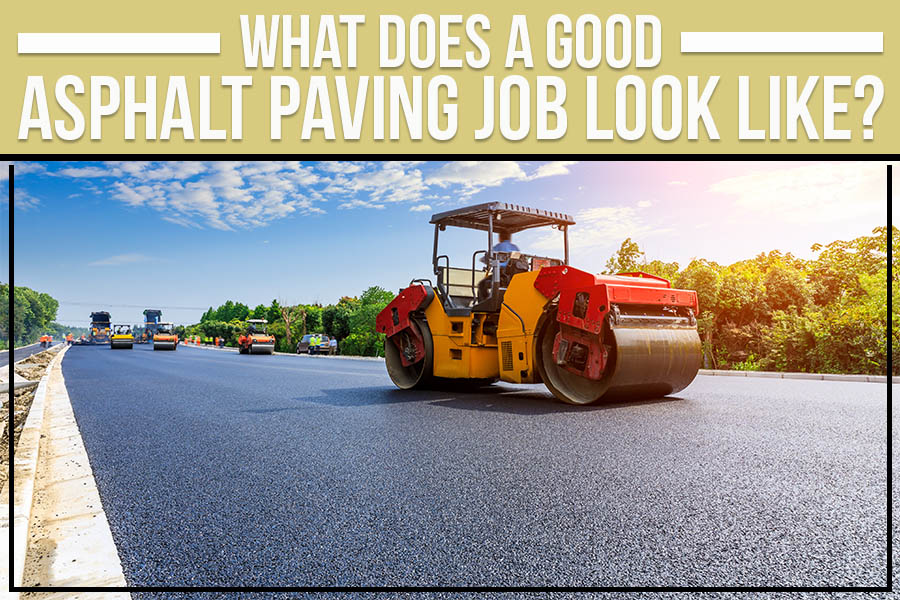
Key Takeaways: A good paving contractor will ensure proper thickness, use compaction techniques, and provide a smooth surface. Water drainage and edge restraint are essential considerations for successful asphalt paving. Detailed aspects and measurements must be taken into consideration for longevity and durability. If you're looking to hire a reputable paving contractor, make sure to research and ask for references. You have decided to have your driveway or parking lot asphalt paved, and now you are wondering what a good paving job looks like. Not everyone is an expert in asphalt paving, so what should you be looking for to ensure a job well done? Here at Laurel Asphalt, we believe a few key elements make for a successful asphalt paving project. Let's see. How to Know Your Asphalt Pa ving Was Good? It can be difficult to know if your newly laid asphalt pavement job was done well when you're not an expert. But fear not; we're here to provide you with some key indicators of a good paving job. 1. Stable foundation Foundation work in asphalt paving is crucial for long-term durability and stability. This includes compacting the subgrade, removing debris and roots, and adequately placing a base layer before paving. Without this integral factor, your asphalt pavement will not hold its integrity, and you can expect it to crumble and crack sooner rather than later. A compacted rock base and smooth, even asphalt surface are tell-tale signs of a solid foundation. 2. Pavement thickness The thickness of the overlay can decide many things for your pavement. For starters, it directly affects its longevity and how well it can handle heavy traffic and weight. A thicker asphalt overlay also contributes to a smoother driving surface, which has some perks. Consider its expected weight and traffic when deciding how thick to overlay your asphalt. To check if your paving contractor has done an excellent job, check your overlay to be between 2 and 4 inches thick, depending on the expected stress. 3. Water drainage Standing water can lead to cracks and potholes in asphalt, so proper drainage is crucial for a good paving job. If the paving contractor has done well, you should see a slight slope to the asphalt surface, allowing water to run off efficiently. You can incorporate drainage systems under the asphalt to ensure proper water management with advanced techniques. And remember, it's not just about saving your pavement from water but also about keeping the surrounding environment safe. 4. Edgework A smooth transition is vital for a successful asphalt paving job, and that's where edge work comes into play. This refers to how the edges of the asphalt meet with adjacent surfaces, such as concrete or curbs. The edges should be neat and precise, with no jagged edges sticking out. This incredible display of work says a lot about your asphalt pavement which now looks like a professional, well-put-together masterpiece. 5. Quality materials Another aspect of a successful asphalt paving job is the quality of materials used. Using low-quality materials can lead to cracks, holes, and overall deterioration of the asphalt much sooner than expected. To ensure a stable paving job, always choose high-quality materials. You can inspect or inquire with your paving contractor about the materials they plan on using before starting the work or where they plan on sourcing them. 6. Using proper mix designs Not all asphalt mix designs are created equal. Different mix designs have varying levels of durability and resistance to various weather conditions, traffic, and weight. Working with a paving contractor who is experienced and knowledgeable in selecting the appropriate mix design for your specific project needs is essential. 7. Details and measurements matter Good asphalt paving involves precise measurements and attention to detail. This includes correctly measuring the thickness of the asphalt layers, accurately calculating the width and length of the pavement, and properly compacting the asphalt to ensure a sturdy and long-lasting finish. Once your asphalt pavement is complete, a smooth surface and clean edges are important indicators of quality work. How to Hire a Good Paving Contractor? You can do a few things before hiring a paving contractor to ensure you're getting a quality job. Check the contractor's experience Experience can't be faked, so make it your duty to see how much experience your contractor has. You can ask them, check their website, or even ask for references from previous customers. Remember, the more adept and experienced they are, the better job they'll do. So don't get yourself mesmerized with only the lowest bid. Check the contractor's license and insurance Checking if your paving contractor has proper licensure will help you choose a credible company and save you from potential fraud. You should also ensure that they have insurance, as it protects you and the contractor from any accidents or damages during the paving process. Now you will not be held liable for any accidents on the worksite. Inquire about the materials they plan on using Asphalt is not a one size fits all material. The type and quality of asphalt being used can significantly affect the longevity and durability of your pavement. Furthermore, the mix, thickness, and compaction of the asphalt affect how long your pavement will last. These characteristics also differ from client to client. For example, suppose you want your residential driveway to last 20 years. In that case, the asphalt mixture and compaction may be different than if you were paving a heavily trafficked road or commercial parking lot. Check or ask for references Just like any job, make sure you check out the paving contractor's past work and references. Ask around your community for recommendations, and look for online reviews. A good paving contractor will have a solid reputation and a portfolio of successful projects. Ending Note: A good asphalt paving job should have a smooth surface, proper drainage and compaction, and longevity. Follow our tips and trust your gut to find a reliable contractor who will give you the best results for your project. Speaking of a good contractor, Laurel Asphalt, serving Ligonier, PA, can get the job done right! We excel in residential and commercial asphalt paving and have been in business for over 25 years. Our experts follow a strict quality assurance program and only use top-notch materials for every project. Contact us for a free estimate today!