

As a homeowner, you’re probably used to dealing with all sorts of minor repairs and maintenance issues. But there’s one type of repair job that can be especially tricky: fixing a utility hole. If you’re not cautious, you could easily damage your property or even injure yourself while trying to fix a utility hole.
In this blog post, Laurel Asphalt will give you some tips on safely repairing a utility hole. We’ll additionally let you know what to do if you encounter any hazards while working on your property. So read on for basic details you need to know about repairing a utility hole!
It’s a Dangerous Task
Repairing utility holes can be a dangerous task. They are often filled with dirt, rocks, roots, and other hazards, including water leaks, making it hard to assess the situation. You can keep safe while working on these treacherous holes by knowing what to look for.
1. Utility Holes Are Often Filled with Dirt and Rocks
Utility holes are sometimes filled with rocks and dirt that have shifted over time due to erosion or natural processes. While repairing these holes, workers should constantly check around them for shifting rocks or dirt that may indicate more significant problems further down the hole. Even if the rocks don’t shift during repair, they could still pose a threat of rolling off onto workers.
2. Utility Holes Are Usually Deeper Than They Appear
A utility hole may appear only five feet deep but could be six feet or even more deep. This is particularly concerning for workers who must stand at the bottom of the hole while working. Suppose there’s any spillage during the repair. In that case, it doesn’t take much for a worker at this depth to become seriously injured by standing in contaminated water, if not drowning first.
3. Workers Are at Risk of Suffocating During Repairs
Suppose the utility hole area is blocked off or barricaded with no ventilation. Workers inside will have a risk of suffocation due to lack of Oxygen. Any repairs that need to be done within the utility hole have an even higher risk of asphyxiation if proper ventilation is not provided.
4. Workers Risk Falling into the Utility Hole If Not Properly Braced or Secured
Utility holes tend to be deeper than many people realize, so not being properly braced or secured within can mean a fall if someone happens to fall into a deep utility hole. They’re at significant risk of getting injured due to the depth; it takes time for people to wade through water before reaching solid ground fully. Additionally, falling into the utility hole also exposes workers to other dangerous substances that may be present (i.e., oil).
It’s Better to Leave It to the Pros
If you’re ever in the unfortunate situation of dealing with a utility hole, we hope you find this post helpful. We know it’s hard enough to deal with the damage as it is without having to worry about potential safety hazards too. It is always a wise decision to leave it to the pros.
At Laurel Asphalt serving Windber, PA, we offer a wide range of services to meet your needs, from asphalt repairs to full-scale paving projects. Our team is dedicated to providing quality workmanship that will stand the test of time. Get a free estimate.
Compaction 101: Everything You Need To Know

Paving asphalt is essential for any municipality or business that relies on paved surfaces. The process of paving asphalt is not simple, and it’s necessary to get it right the first time. One of the most critical steps in asphalt paving is compaction. But what is compaction, and why is it so important?
Laurel Asphalt, a reliable contractor in Johnstown, will answer those questions and more. So, keep reading to learn all about compaction and why it’s essential for paving asphalt.
What is Compaction?
When it comes to asphalt installation, compaction is unquestionably the essential aspect. Compacting correctly allows asphalt to reach the required density and strength and helps prevent deterioration that considerably reduces pavement lifespan.
The Process of Compaction:
There are many different ways to compact asphalt, but the most common is by roller. The procedure usually starts with placing a layer of hot mix asphalt (HMA) followed by a layer of coarse aggregate. These two layers are rolled together using a vibrating plate compactor or pneumatic tire roller.
How to Ensure Proper Compaction?
A few key factors must be considered to ensure proper compaction.
The first is the type of equipment in use. It is necessary to match the size of the aggregate particles to the weight and width of the roller. Too much weight can cause excessive crushing, while too little will not provide enough force to achieve density.
The second factor is moisture content. The asphalt mixture should be moist but not wet. Otherwise, it will become clumpy and difficult to compact.
Thirdly, temperature also needs to be taken into account. Hot mix asphalt must be compacted while still hot to achieve desired results. If it’s allowed to cool, it will become more difficult to roll and could lead to cracking or potholing down the road.
Why Is Compaction Important?
Compaction is essential for two reasons: first, it helps to ensure a stable foundation for the pavement; second, it increases the strength and durability of the pavement. Compaction creates a solid surface that can withstand repeated use without becoming damaged when done correctly.
Problems Caused by Improper Compaction:
If the asphalt is not compacted correctly, it can lead to several problems, including:
Rutting: It occurs when vehicle tires compress the pavement to the point where it creates a depression in the surface. Rutting can cause damage to vehicles and make the road more dangerous to drive on.
Potholing: Potholes are created when water seeps into the pavement and softens the underlying soil. The weight of vehicles passing over this area then causes the pavement to collapse, forming a hole in the surface.
Cracking: If asphalt sections are not adequately supported, they will eventually crack under stress. Cracks can allow water and debris to enter, leading to further damage and requiring expensive repairs.
Get Professional Help:
If you are big on saving time and don’t want to worry about the potential challenges of asphalt compaction, it is best to leave it to the professionals. Get in touch with us at Laurel Asphalt serving Johnstown.
We are a leading asphalt paving firm with years of experience. We have all the necessary equipment and know-how to get the job done quickly and efficiently, ensuring a perfect finish every time. Whether commercial paving, line striping, or pothole repairing, you can count on us for quality service.
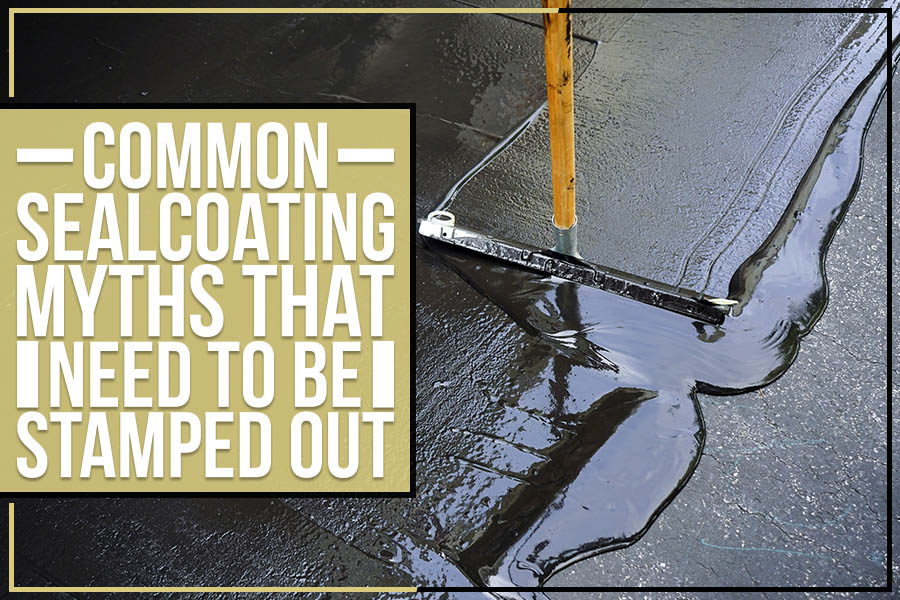
Sealcoating is a process used to protect asphalt surfaces from the elements. Some people think it’s a waste of money, while others believe it’s the only way to preserve their asphalt driveway. It can help prolong the life of your pavement, and it makes the surface look nicer too. However, many seal coating myths are circulating on the internet.
This blog post by Laurel Asphalt dispels some of those myths.
Sealcoating Removes Cracks
Sealcoating helps seal the surface of the asphalt, which prevents water and other debris from penetrating the surface and causing damage. However, pavement fissures cannot be filled with sealant. If your pavement already has cracks, you’ll need to fill them with a hot rubberized substance before sealing them. Cracks in your pavement must be sealed as soon as they emerge. Potholes, cracking, and pavement collapse will result if the property owner does not fix pavement cracks within one year of their occurrence.
Sealcoating Materials Are All Same
Sealcoating materials are not all the same. Before it can be used commercially, a good seal coat material must pass several tests. However, some seal coating businesses utilize “lower grade” sealers to save money. A property owner should employ a reliable, professional seal coating contractor who can give expertise and literature about the seal coat materials they use.
Sealcoating Is Not Durable
Because seal coating is a “topcoat” of material, it may appear that it is not a long-lasting solution. But seal coating is successful because it aids in the preservation of asphalt resilience by filling up and coating the small holes that enable water infiltration.
These tiny holes are called “macro-pores” and are about the diameter of human hair. The sealant is more viscous than water, making it easier to linger in these pores before evaporating into thin air.
Sealcoating Is Expensive
Many property owners have the misconception that seal coating is costly. In reality, seal coating is very cost-effective, especially when you consider the cost of repair and replacement that it will prevent. Think about saving money in the long run by seal coating the pavements now.
Sealcoating Is Only Important for New Pavements
Sealcoating is important for both new and existing asphalt pavements. It helps to protect the surface of the asphalt from damage and extends the life of the pavement. Even if your pavement looks great and isn’t showing signs of wear, sealing the asphalt will help protect it from spills and cracks.
Laurel Asphalt in Ebensburg, PA, is a leading asphalt paving firm serving residential and commercial clients. Laurel Asphalt prides itself on providing high-quality services on time to avoid overruns, inconvenience, and dissatisfaction.
We have an experienced team of paving professionals who can overcome any challenges they encounter in a paving project.
Read more about our seal coating services and get a free estimate now!
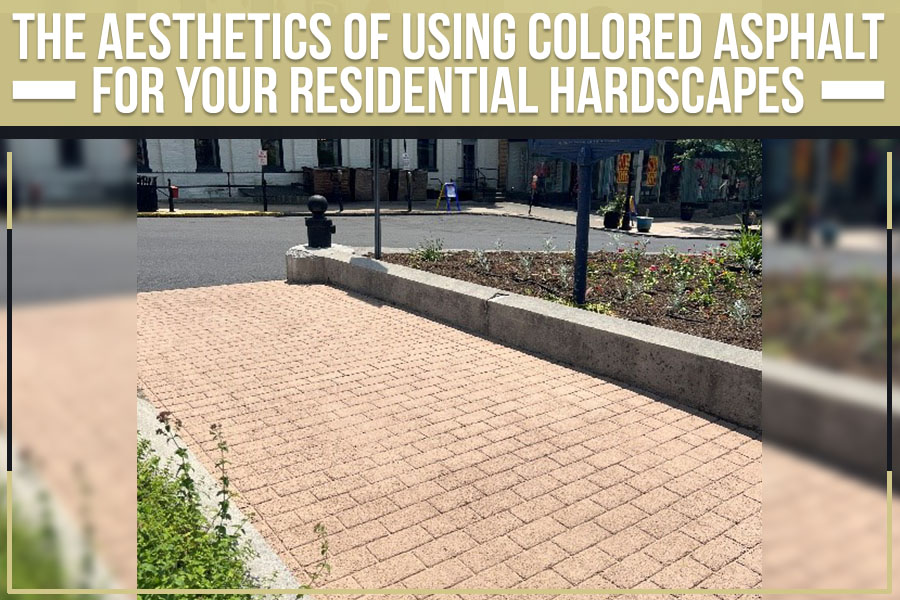
When it comes to your home, you want it to look its best. You have already started thinking about the landscaping and what kind of plants you want to use. But have you thought about the driveway? A well-constructed and attractive driveway can add to the overall appearance of your home. There are many hardscape options to choose from when you are looking to improve the aesthetics of your home. You can use brick, stone, or concrete to create a beautiful driveway, patio, or walkway. But have you ever considered using colored asphalt? Colored asphalt can be used to create stunning effects that will enhance the appearance of your home.
Laurel Asphalt can give you several reasons to consider colored asphalt for your residential hardscapes. Not only is it a more affordable option than other expensive materials such as stone, but it can also be more aesthetically pleasing. Let’s explore the different colors of asphalt available and some of the benefits of using this material for your home in Cambria County, PA.
1. Why Choose Colored Asphalt?
Colored asphalt has become a popular choice for residential hardscapes in recent years. There are many reasons for this, but the main one is aesthetics. Colored asphalt can add color and personality to your driveway, enhancing the appearance of your home. In addition, colored asphalt is also very durable and long-lasting. It can tolerate the test of time and look great for many years to come.
If you consider using colored asphalt for your residential hardscape, there are a few things to keep in mind. First, make sure that you choose a color that complements your home’s exterior. Second, be sure to hire a qualified contractor to install the asphalt. Finally, be ready to pay a bit more for colored asphalt than you would for traditional black asphalt.
Despite the higher cost, colored asphalt is a great way to add personality and style to your home’s exterior. It can also appreciate the value of your property, so it is worth considering if you are in the market for a new hardscape.
2. How Does the Color Selection Process Work?
The color selection process for colored asphalt is relatively simple. You can choose from various colors or create your custom blend. Most contractors will have a library of colors to choose from, or they will be able to match the pigment with the color of your home’s exterior.
Once you have selected a color, the contractor will need to do a small test area to ensure color consistency across the entire driveway or patio. If everything looks good, they will then begin work on your project.
Solution
Laurel Asphalt specializes in creating the perfect hardscape design that will make your house in Cambria County, PA, look like a million bucks! The best part is it’s not just about home aesthetics; colored asphalt can be used for many purposes, including walkways and driveways, which means they do wonders for functionality. Contact us today if you want to get more curb appeal for your homeor need advice on brick, stone, or concrete options because we know these materials inside out! Get a Free Estimate!
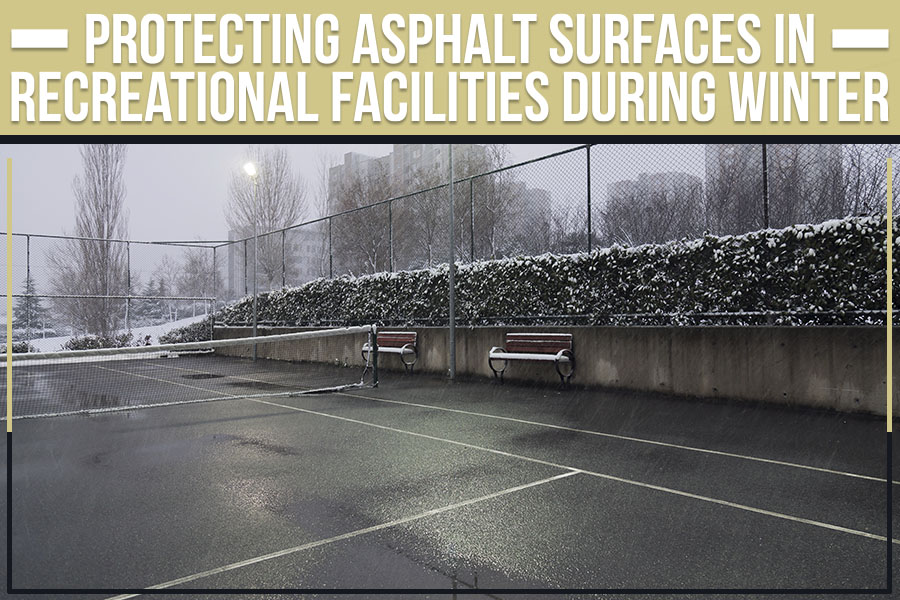
It’s that time of year again, winter! Recreational facilities’ owners are looking for ways to keep their facilities in good shape during the winter months. This blog post will discuss different methods you can use to protect your asphalt surface during these cold months.
Reliable paving companies like Laurel Asphalt help businesses like yours in Somerset, NJ, spend less money on maintenance costs while providing a safer recreational area for the community!
Method 1: Keep It Clean
This may be the most obvious method – keeping your court clean! Keeping up with snow removal during winter can help prevent damage to asphalt surfacing. Not only that, but regularly removing all trash, leaves, and debris from the area will also help prevent any long-term damage.
It’s also essential to make sure that any spills are cleaned up as soon as possible. If left untreated, even a tiny oil or gasoline spill can cause significant damage over time. By making such clean-ups part of your routine, you’ll be able to avoid a lot of potential damage not only in winter but throughout the year.
Method 2: Ensure Proper Drainage
Snow isn’t the only thing that can cause issues with your asphalt. The natural freeze and thaw cycle of the season also impacts this material, making it crucial to ensure proper drainage and snow removal.
If water pools around the area due to poor drainage, it could seep through cracks or other openings in the surface and lead to severe issues. These problems could include potholes, uneven surfaces, or even damage to the sub-base.
Method 3: Use Sand or Salt
A great way to keep ice off your asphalt surface is to apply sand or salt. While this method isn’t always the most effective, it’s certainly better than letting ice accumulate on top of your court and potentially cause damage during freezing temperatures.
Be sure that you don’t use too much of either material, which could end up clumping together at specific points. In addition, excess salt can corrode the asphalt surface over time.
Method 4: Protect Your Asphalt Surfaces
An excellent way to protect your asphalt surface is by applying a sealant to the pavement. Doing so will help protect it from the cold weather and prevent water seeping in, leading to cracking and other drastic problems.
You should apply this method to asphalt surfaces ONLY if they are already in good condition. If your court is cracked, crumbly, or broken up at all, the sealant will not do your surfaces any good. In this case, you would need to repair the damage before applying a sealant.
Conclusion
Asphalt maintenance can be challenging, but you can keep your asphalt surfaces in great shape throughout the winter season by following the aforementioned methods.
At Laurel Asphalt, our experts provide you with all of the information that you need when it comes to protecting your recreational facilities in Somerset, NJ, during cold weather!
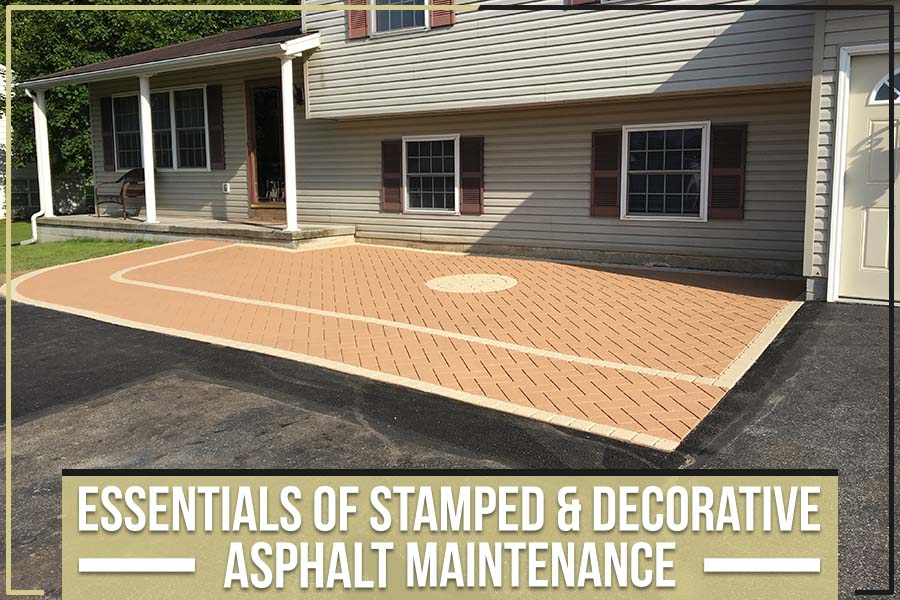
Have you invested in high-quality decorative asphalt? Then you must know of the long-term maintenance it requires. You need to invest in routine cleaning and upkeep for its long lifespan. To help you take care of your stamped and decorative asphalt pavement, the experts at Laurel Asphalt in Johnstown, PA, have gathered the essentials for your perusal.
Tips On Maintaining Decorative Asphalt
Stamped asphalt, also known as decorative asphalt, needs regular maintenance to keep its integrity and visual appeal intact. Read these tips on maintaining decorative asphalt or have a professional company like Laurel Asphalt do it for you.
Tip 1. Pressure-Washing is a Bad Idea
You should resist the urge to pressure-wash your decorative asphalt pavement. Why? Because over time, the intensity of the pressure-wash will result in the breaking of the sealant used. This significantly compromises the visuals and the appeal of the decorative asphalt. Alternatively, you could rinse the asphalt with some low-pressure stream of water to be safe.
Tip 2. Trapped Dirt and Grime Need to Loosened
Dirt and grime can get trapped in the nooks and crannies in the asphalt. You can quickly rid your asphalt of this by using a mild, gentle cleanser. This will help loosen the dirt and grime. You can then rinse it away with a stream of low-pressure water.
Tip 3. Resealing Is Important; Don’t Ignore It
You need to reseal your decorative asphalt every eighteen to twenty-four months. When you follow this routine, you will see that the color on your asphalt lasts long and becomes impervious to environmental deterioration.
There are a few ways to reseal your decorative asphalt. You can either use a penetrating sealer or a topical sealer. Penetrating sealers go into the pores of the asphalt and fill them up, while topical sealers form a film on the surface of the asphalt. You should use a penetrating seal if you have a newer driveway or other asphalt surfaces. If your asphalt has already been exposed to harsh elements, you should opt for the topical sealer.
Tip 4. Say No To Salt and De-Icers
You have to avoid salts and de-icers on your asphalt. Why? Because both are caustic, they can quickly penetrate your coating and then break it from the inside.
Tip 5. Avoid Metal Shovels
Want to know why we are advising you to avoid using a metal shovel and similar tools? They might cause chips and scratches on your otherwise durable asphalt. With the appearance of the slightest crack, dirt and grime start making their way in. If your asphalt is old, it might also break if you are not careful with these tools.
After reading all these tips, you are probably looking for a dependable asphalt company in Johnstown, PA. Contact Laurel Asphalt; we offer a wide variety of services. Contact us today and get started.

A line striping plan is a process of determining where to place line markings on a parking lot before winter. The goal is to make it easier for drivers and snowplows to see where they should be driving, hopefully reducing the risk of accidents during harsh winter weather conditions.
Many factors go into line striping a parking lot – snowfall, vehicle traffic patterns, and more. These are all things that should be considered when devising the perfect line-striping plan for your business before winter falls upon us.
We’ll go over what you should keep in mind when devising your line striping plan and some tips that will help you develop an effective one.
Develop a Layout Plan Before Line Striping
Planning out your line striping layout for the parking lot before you do any actual line striping is just as important as actually line striping. When planning, consider all of your weather factors and what they can mean to how long certain types of line marking last.
The first step in creating any line stripe pattern for your parking lot is determining where everything should go. You will need to consider where the lines should be placed, how many line striping patterns you want, and what colors they should be.
Also, plan on where it would be best to stripe first so that you can start line marking in the right areas before moving on to others.
Clean the Surface of Your Parking Lot
Before line striping, it is important to make sure that your pavement surface is clean and free of dirt. Sweep the entire area with a broom or use a pressure washer if stubborn patches of debris remain on the lot. You can even hire a commercial power washing business from around where you live to get all of this done for you.
If you paint on a surface full of dirt, the line striping will not last as long and can easily flake off. It is important to have a clean parking lot before line striping so that your lines look great for years to come.
Choose the Right Paint Based on Your Surface and the Weather in Your Area
If you are line striping in an area with harsh winters, the paint you choose for your line stripe needs resistance against cracking. Various types of paints on the market will give you different results depending on how long they last and their application procedures.
Ensure ADA Compliance
ADA requires a certain ratio of handicapped parking spaces to be available on a lot. ADA also has a minimum size requirement for these spaces. Be sure your line striping plan is ADA compliant, or else people with disabilities will find it difficult to navigate your parking lot. Furthermore, it will be considered a federal law violation and you may end up paying some hefty fines.
With winter quickly approaching, it’s time to start thinking about your parking lot. If you want the perfect pre-winter line striping plan for your parking lot, get in touch with Laurel Asphalt in Mt. Pleasant. We offer free estimates on line striping services and are happy to answer any questions that you may have. Whether you need asphalt paving or just some new paint lines in your parking lot this winter, we can help.
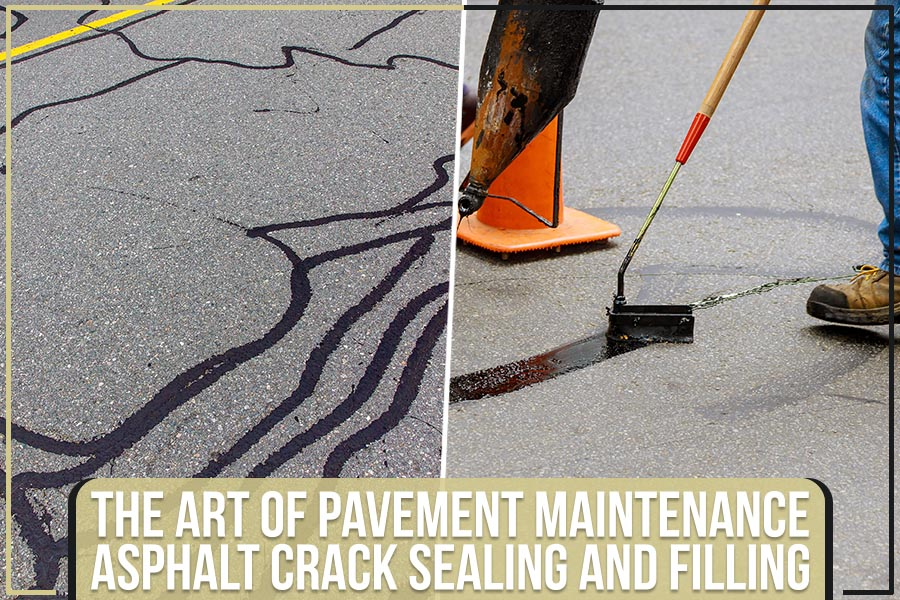
The importance of pavement maintenance cannot be overstated. Asphalt crack sealing and filling is one such maintenance procedure that can keep your roads in good condition for years to come. The process involves the application of a sealant or filler material into cracks, defects, and other surface distresses to reduce water penetration and subsequent deterioration of the pavement structure.
While seal coating and crack filling help extend your pavement’s lifespan, a sub-standard crack filling job can hurt the surface in the long run as it ends up requiring frequent repairs and maintenance.
This blog post lists the best practices for crack filling and seal coating that create a distinct identity for freshly paved surfaces and separate them from other sub-standard pavement.
1) When to Perform Crack Sealing
A critical step to crack filling or sealing is determining whether your pavement conditions are appropriate for the service. For instance, you should never perform seal coating if water is present in cracks and joints since it could interfere with the adhesion of the material onto the asphalt surface.
Crack fill measures can be performed at any time during dry weather when there isn’t excess moisture or humidity on both sides of the paved surfaces. However, for best results it should be done after rainfall when the conditions are bright, sunny, and dry.
The seal coating and crack filling experts know the conditions of the place well and suggest when the time’s right for sealing the pavement. They also consider factors such as weather forecasts before starting crack-filling work!
2) Preparing the Surface for Sealing and Crack Filling
Working with asphalt sealcoating experts who know how to prepare the surface before applying the material ensures that everything goes as expected without any problems arising. Asphalt isn’t something you should try DIY; leave it up to professionals like Laurel Asphalt.
When ready for crack-filling work, the first thing we do is clear out what’s already there on your pavement. We remove old cracks, debris, and anything else sitting around – ensuring this leaves behind a new foundation where we will apply new coatings on top later on during the job.
3) Preparing the Right Material
Before the asphalt crack filling starts, we gather all the suitable materials required. For this process, our professionals utilize high-quality hot oil materials that are carefully calibrated and tested over years of experience in the field.
It’s essential to use suitable materials and the right device when applying liquids onto pavement cracks – else you will end up with uneven surfaces, which are not ideal for the surface. The material must be evenly spread out across your road surface so it can adequately dry after being heated by sun exposure throughout daytime hours.
If you want to enjoy professional seal coating and crack filling for your pavement, then Laurel Asphalt is the right choice for you. We offer first-rate commercial and residential paving services in Johnstown, ridding driveways and parking lots from the curse of excessive cracks and potholes. Get a free estimate from our team now!
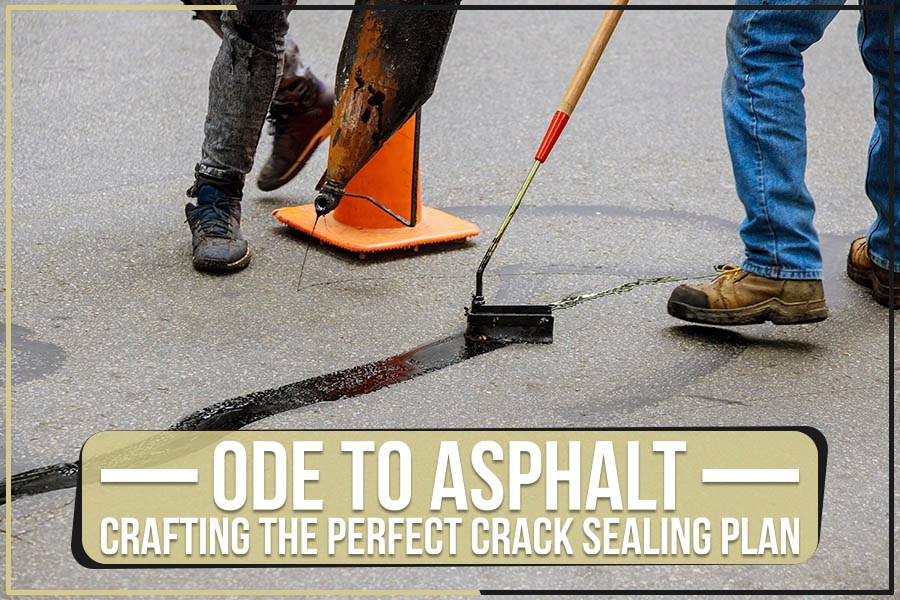
Asphalt is a durable and resilient material that provides an excellent surface for your property. However, it’s prone to cracks and other defects that are a result of various factors. These cracks can lead to water infiltration, which can cause further damage to the asphalt surface.
Hiring professional contractors like Laurel Asphalt for regular asphalt maintenance is a great way to counter crack formation and restrict the damages they cause. Regular maintenance will prevent crack deterioration and ensure your surface gets the regular checkup it needs.
In this blog post, we’ll show you how crack sealing works and keeps your asphalt pavement strong for years to come.
1) What is Crack Sealing?
Crack sealing is the process of repairing cracks using an asphalt sealer. A crack sealing plan is a schedule for regular maintenance that addresses cracks and other issues before they turn into more significant problems.
The right time to repair cracks in your pavement depends on various factors; professional contractors recommend doing it every two years or so to keep the damages at bay. The pavement can sustain damage due to heavy traffic or natural elements like extreme weather conditions, so keeping up with the necessary repairs is crucial for its lasting strength.
When left untreated, even small cracks can cause significant wear and tear over time because water seeps under the surface when the road gets wet due to rain or snowmelt, causing more deterioration and leading to potholes.
2) When is the Best Time to Seal Cracks?
Some companies will only crack seal during the summer months, as asphalt can dry enough to allow for a practical application. Other professionals wait for the spring season to apply the sealant.
If you want a more personalized recommendation on what season works best for you, talk with a professional contractor about the best time of the year to seal the pavement cracks.
3) Set a Budget and Choose Contractors
Prepare a pavement maintenance budget, ensure that your asphalt maintenance and repair spending are within range, and invest smartly by hiring the right contractors.
You should also choose a contractor who has been in business for several years and can provide you with references from previous customers so you can learn more about their performance history.
Finally, try to find a company that offers warranties on their materials and any workmanship issues after the job is completed. These added services will give you peace of mind knowing if problems arise down the road, there are resources available to make it right again.
Cracking the asphalt sealing code can be challenging for inexperienced homeowners. This is why you need to hire professional crack sealing repair experts in Johnstown. Laurel Asphalt is your one source for all asphalt solutions, as we provide a range of pavement maintenance services designed to keep your property in check. So, get a free estimate from our team now and start working on the crack sealing plan.
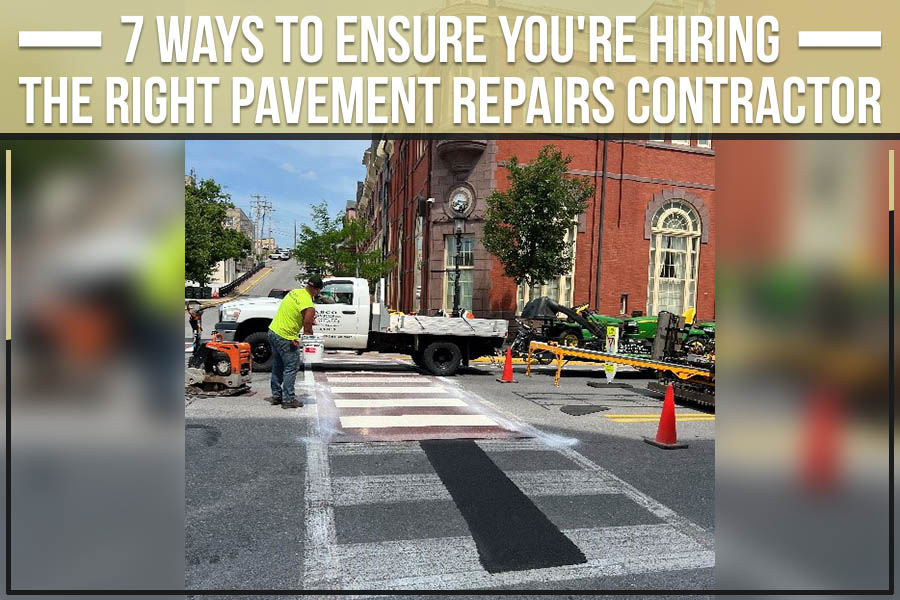
Pavement repair contracting firms exist to install, repair, and maintain pavement the right way, but due diligence is required before hiring one. Ergo, it becomes essential for clients to know their right to ask questions before signing anything with a firm that could be potential scammers. We don’t mean to discriminate, but the world is made a certain way, and during times of crisis, one lousy apple pie can ruin the appetites of many.
Hiring a pavement repair contractor might be more complicated than simply picking the best one for the position. There are quotes to consider, portfolios to be verified, and project ethics to be asked about; you need to be a smart client to sniff out the truth behind a few good Yelp reviews!
Here are some great tips from Laurel Asphalt regarding some areas to look out for when you are in talks for a pavement repair project.
1. How long have they been active?
Always inquire about the years of experience under their belt. Make sure they have a valid license and authentic credentials for all the services they offer. Ask if they have had experience in repairing flood-damaged pavement. It’s not imprudent to ask about their credit history, as it defines their ability to perform on major pavement repair projects.
2. How long have they ‘successfully’ worked in the vicinity?
Local contractors tend to be the most reliable of firms since they have supplied to local demand over the years and are familiar with local sourcing costs and zone requirements. They probably know the locality like the back of their hand. Ask about their projects, their success with obtaining permits, any legal assistance they can provide, and clients who can attest to their services.
3. Are they licensed and up to date?
Never look at a shoddy certificate and decide the contractor is legitimate; get a hold of the local municipal authorities and confirm their license. In foresight, it will save you in legal matters if the job goes awry.
4. Do they have insurance & financing?
Some prestigious contractors provide project financing, and some require funding to complete their tasks until client payday arrives. Both tactics are suitable; however, ensure that the contractor is insured for construction-related damages. To keep the ball in your court, obtain a waiver, too, so you are safe from liabilities.
5. Do they have dedicated subcontracting?
These days it seems that everyone has trust issues, and they’re great for character development. Contractors can’t always have specialized equipment or engineering personnel on hand for complex paving and repair projects, so they have trusted subcontractors to get the job done. A contractor with a fluctuating subcontracting pool is a red flag, so best to avoid them.
6. How do they plan out the project?
Never agree on words; insist on a representation of how the repairs are scheduled. A timeline of sorts needs to exist, so you know how long the project will take. Communication channels and cost estimation is the most important in representing the scale of the project.
7. Would they mind if you documented the progress?
Lastly, if a contractor is okay with you making the rounds on a worksite out of the blue, then that is your gold star in securing the services of an honest repairs contractor who has nothing to hide.
If you are looking for all the necessary qualities we just elaborated on above, then (not boasting, but) Laurel Asphalt in Windber, PA, serving Cambria County, takes the cake!
If you require our services, we are available with one-stop solutions, and you can consult us freely on estimates here.
Connect with us


