Blog / Laurel Asphalt Blog

Blog

All Laurel Asphalt Blog Asphalt Paving Laurel Asphalt Service
Tips For Making Your Commercial Property More Driver-Friendly

Tips For Making Your Commercial Property More Driver-Friendly

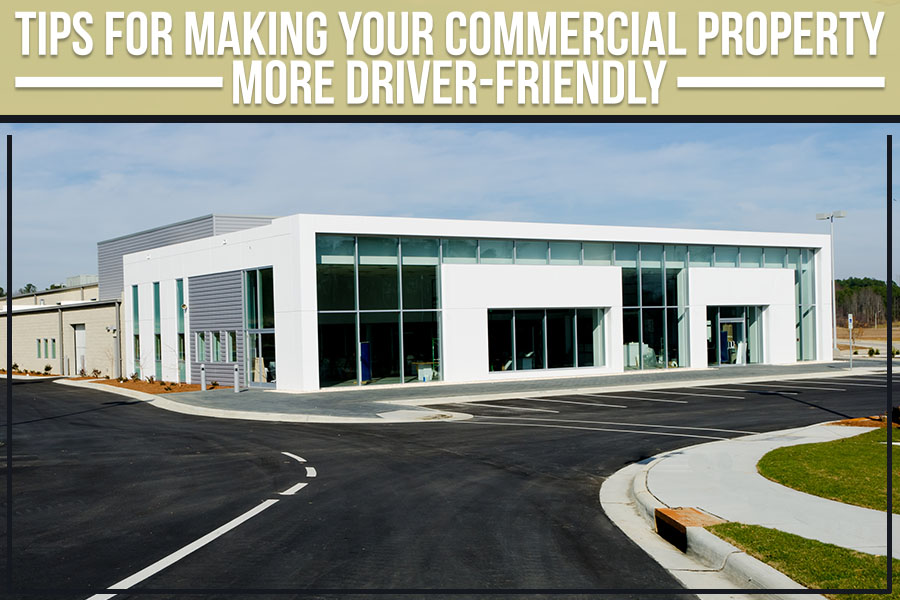
There's no doubt that commercial properties need to be driver-friendly. Bumpy roads and potholes are a driver's worst nightmare, so it's essential to make sure your property is up to par. We have tips to help you make your property more accommodating for drivers. 1. Remove Potholes Potholes are not only a pain for drivers, but they can also do severe damage to vehicles. If your property has potholes, ensure they are filled in as soon as possible. Potholes can be filled with materials such as asphalt, concrete, or cold patch. If they are left unrepaired, they will only continue to grow and cause more damage. You need to hire a professional asphalt repair company to come and assess the damage. They will have the necessary tools & materials to fix the potholes quickly and efficiently. 2. Seal Cracks In The Pavement If your commercial property has any cracks in the pavement, make sure to have them sealed as soon as possible. Sealing cracks in the pavement is another way to make your commercial property more driver-friendly. Cracks can form for various reasons, such as weathering, vehicle traffic, and tree roots. Cracks can quickly become potholes if not repaired, so taking care of them as soon as possible is essential. 3. Install Decorative Crosswalks Crosswalks are essential for pedestrians, but they can also be a great way to add some personality to your commercial property. You can make decorative crosswalks from various materials, such as brick, concrete, and even colored asphalt. If your property is near a busy street, installing decorative crosswalks is a great way to make it driver-friendly. This will not only make it safer for pedestrians to cross the street, but it will also add to the overall aesthetic of your property. Decorative crosswalks can be found at most hardware stores or ordered online. 4. Add Speed Bumps Another way to make your property more driver-friendly is to add speed bumps. Speed bumps are a great way to slow down traffic and can help to prevent accidents. You can make speed bumps from various materials, including concrete, asphalt, and rubber. They can also be found in a variety of sizes and shapes. 5. Add Signage You can use signs to warn drivers of potential hazards, such as potholes or speed bumps. You can also use them to provide information about parking regulations. Signs can be found at most hardware stores. At Laurel Asphalt serving Somerset, we know that an incredible drive starts with an excellent surface. That's why we take care in every job we do - from the initial consultation to the final paving. Not only does our asphalt look great and feel smooth, but it's also incredibly durable. You don't have to consider cracks or potholes forming in your driveway anytime soon. Plus, our seal coating will keep your driveway looking new for years to come. We also provide decorative crosswalks to make your road experience even better! Get your free estimate now!
Laurel Asphalt Meets Lake Erie – Expanding Our Decorative Asphalt Services In A Region Near You!

Laurel Asphalt Meets Lake Erie – Expanding Our Decorative Asphalt Services In A Region Near You!

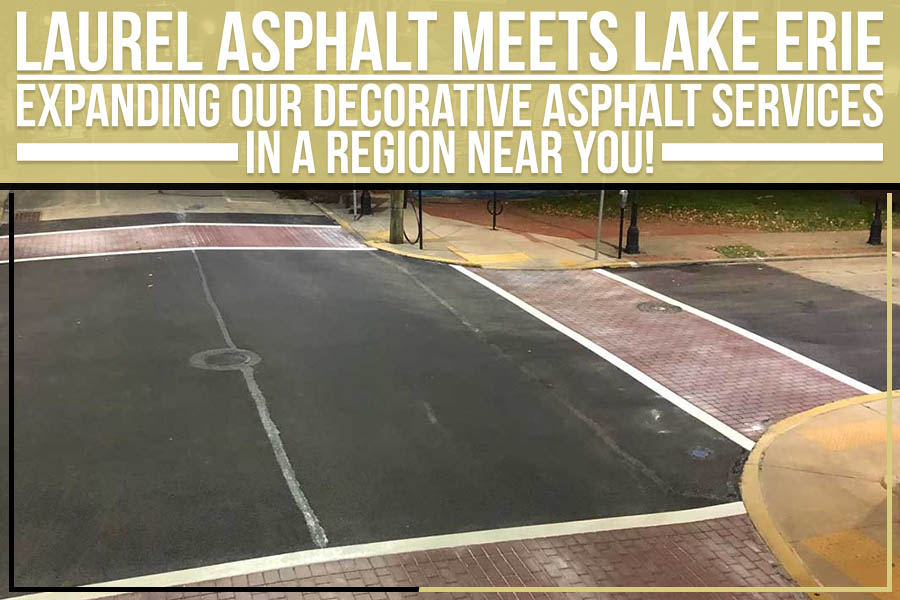
Are you someone living in the northeastern region looking for decorative asphalt services? Know what you want in terms of decorative asphalt, but do not have someone local to complete the job? Look no further! Laurel Asphalt is looking to expand our decorative asphalt services into states such as western New York, Maryland, West Virginia and eastern Ohio and may be at your service! Let’s look at what Laurel Asphalt was able to offer a small town located in northwestern New York and give you the opportunity to see for yourself what can be provided for towns near and far. In the quite town of Fredonia, Laurel Asphalt installed four crosswalks at one intersection just south of Lake Erie in the northwestern part of New York. It was a smaller town square with plenty of hustling small businesses. The town hall and opera were located on one corner with a church on the other, bordered by a beautiful park that pulls the whole town together. For this project, Laurel Asphalt used a thermoplastic material called TrafficPatterns®XD. This highly durable material does well in severe weather conditions and is highly accessible, making for a friendly surface for pedestrians and drivers to access. TrafficPatterns®XD is skid resistant and improves visibility for both vehicle drivers and pedestrians. Not only is TrafficPatterns®XD highly durable and safe, but it is also very appealing to the eyes of pedestrians and those who own small businesses in that area, which engages the community and promotes a better image for the town. What is even better is that TrafficPatterns®XD is entirely customizable, being offered in a variety of brick, stone and tile patterns. Not to mention, the colors can also be completely customized and tailored to match your towns aesthetic! Because decorative asphalt products such as TrafficPatterns®XD are so unique, not many asphalt companies offer them. Laurel Asphalt takes pride in being one of the few leading decorative asphalt service providers in the area and is willing and determined to expand into the northeastern region to towns near and far! Contact Laurel Asphalt today if you want to learn more about TrafficPatterns®XD and see what we could provide for your town. We hope to expand our services in a town near you.

“The Sky Is Always Prettier In A Small Town” And So Are The Roads – How Decorative Asphalt Can Brighten Up Your Small Town For Years To Come

“The Sky Is Always Prettier In A Small Town” And So Are The Roads – How Decorative Asphalt Can Brighten Up Your Small Town For Years To Come

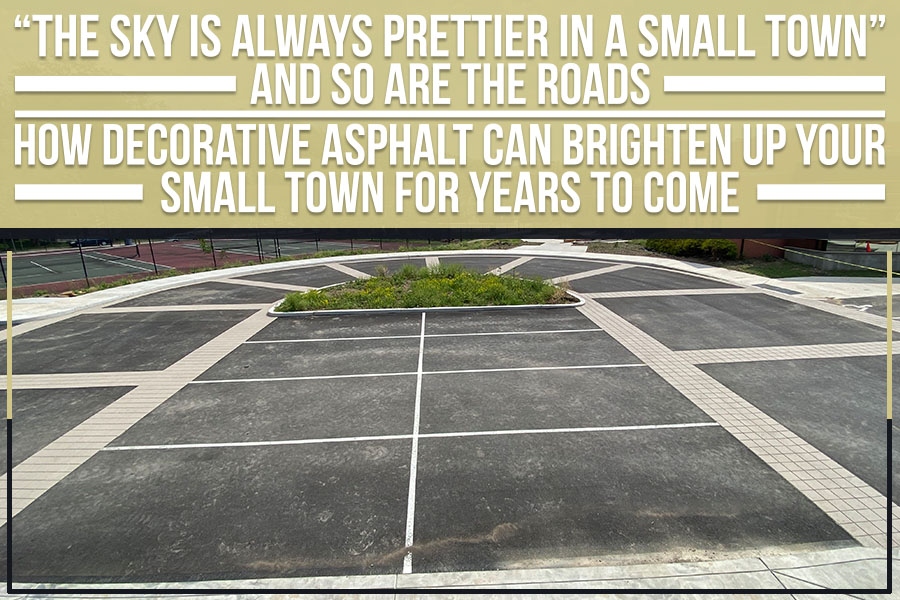
While a pretty sky sure does help illuminate the features of a small town, so do the roads! Are you trying to find ways to spruce up your small town and make street corners, roads and existing crosswalks more appealing? How about improve safety and standard features when it comes to your roads and those who walk about them? Decorative Asphalt can do both! Whether you are looking for “brick-like” effects or a sleeker stone look for your town, decorative asphalt can help captivate the landscape and make your town truly feel like home. Here at Laurel Asphalt, we pride ourselves on decorative asphalt and believe there are many aesthetic and safety benefits to choosing this product among other hardscape options. Don’t believe it? Let us show you a town’s roads that were completely transformed and made safer by using a decorative asphalt product called DuraTherm®! In the small town of Murrysville, located 20 minutes east of Pittsburgh, PA, Laurel Asphalt was able to transform one of the bigger intersections in the town, making it safer for pedestrians to cross and enhancing the overall effect of the square, tying the whole town together. In Murrysville specifically, we used a high performing in-laid thermoplastic material called DuraTherm® that lasts a lot longer than competing products, hosts anti-skid properties creating a safe surface for vehicles and pedestrians and faces harsh weather conditions and snowplows well (which is important in the whole region!). Laurel Asphalt can guarantee that your crosswalks will last you years to come and can also say with confidence that your decorative asphalt will leave your small town looking better than ever. To make it sound even greater, you can customize it to your liking! Decorative asphalt products such as DuraTherm® offer an array of colors and patterns you can choose from, giving you endless opportunities to design your town the way you want. Laurel Asphalt has years of experience using decorative asphalt, specifically DuraTherm® and is determined to provide your town with the most visually appealing and durable crosswalks that will last! Contact us today if you want to hear more about DuraTherm® or other products that could help your small town in hopes to make the roads “prettier than the sky”.

Your Concise Guide To Utility Potholing

Your Concise Guide To Utility Potholing

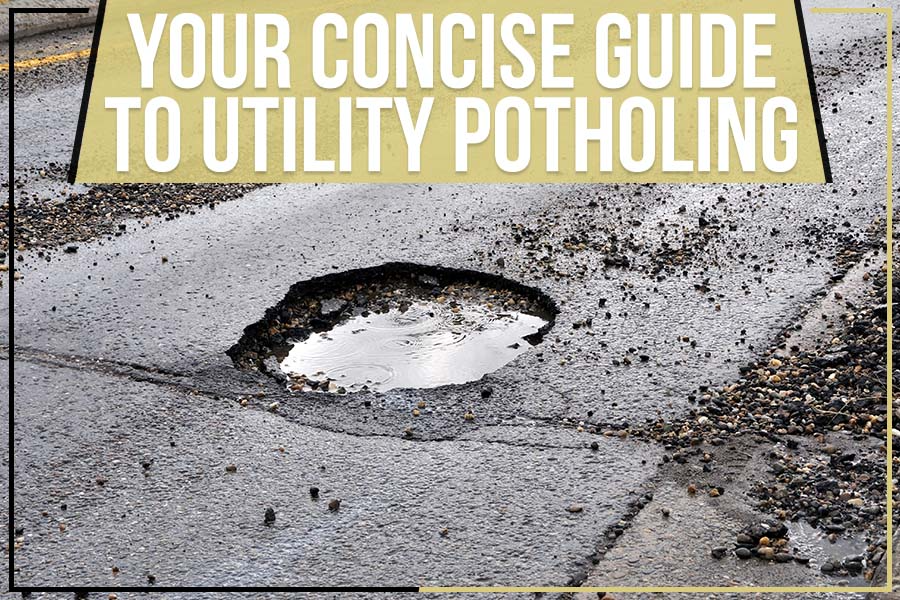
Are you having trouble getting your utility repairs started? Do you need to get through a challenging, rocky area on your asphalt pavement but don't know how? Utility potholing may be the perfect solution for you! This process is a great way to repair the lines and potholes, making your pavement look ugly. So let's start with getting to know what utility potholing means and how to tackle it. 1. What is utility potholing, and what are its benefits? Utility potholing is the process of excavating a hole to expose buried utility lines for inspection or repair. The hole is typically square or rectangular and is no more than four feet wide and four feet deep. Potholing is typically done with a shovel, pick, and other hand tools. Utility companies will often request that potholes be dug to map their underground lines. Contractors who dig the holes are typically called "pothole crews." Potholing is an essential part of any construction project that involves excavating near buried utilities. Potholes help prevent damage to the utilities and protect the workers digging in the area. 2. How can you prepare for a potholing project on your property? Before starting a potholing project, it is essential to call your local 811 number to have utility lines marked. Once the area is clear, you will need to rent a pneumatic thruster, also called an air hammer, and an air compressor. The pneumatic thruster breaks up the concrete, and the air compressor provides power for the device. It is also necessary to rent a mud pump, which is used to remove the debris from the hole. Finally, you will need to purchase a liner to put in the hole before filling it with dirt or gravel. This will help to prevent the spot from collapsing in on itself. Following these simple steps will help ensure that your potholing project succeeds. 3. What tools and equipment do you need to carry out a successful potholing project? First, you'll need a sturdy shovel to dig your way down to the desired depth. A meter stick or tape measure can also help ensure that you're digging the correct size hole. Second, you'll need a way to remove the dirt and debris from the hole. A small hand trowel or garden spade can work well for this purpose. Finally, you'll need something to catch the water as it flows into the hole. A large bucket or tub will do the trick. With these supplies on hand, you'll be ready to tackle your next potholing project. 4. Whom should you contact if you're interested in hiring a professional potholer? Potholing is a very technical process, so it's not recommended to get the job done by an untrustworthy person. You have to make sure that your service providers are experts in their arena, such as Laurel Asphalt, serving Ligonier, IN, and experts in utility pothole repairs and services. We have been serving our clientele for over 25 years. Get a free estimate today!

14 Reasons To Choose A Colored Stamped Asphalt Driveway

14 Reasons To Choose A Colored Stamped Asphalt Driveway

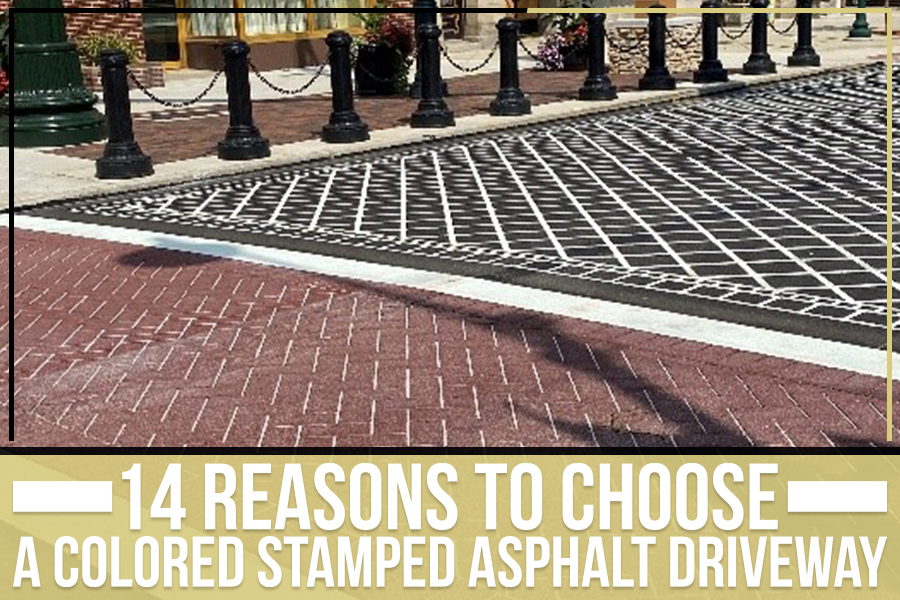
Asphalt is one of the most popular materials used for driveways because it is durable and long-lasting. However, asphalt can be dull in its natural state. If you want to add some personality and pizzazz to your home, stamped-colored asphalt may be the perfect solution! If you need a new driveway, you may be wondering if stamped-colored asphalt is the right choice for you. There are many reasons to choose this type of driveway, and Laurel Asphalt will outline a few of them here. 1. Aesthetics It looks great! Stamped-colored asphalt can be customized to match the style of your home and landscape. It is also available in various colors, so you can choose something that stands out! 2. Cost-Effective It is cost-effective to add curb appeal to your home without breaking the bank. When compared to other driveway materials, stamped asphalt is very affordable. It is easily installed, saving you money on installation costs. 3. Durable If you are looking for durable driveway material, stamped-colored asphalt may be the perfect solution! Contact our team at Laurel Asphalt to get started on your project. 4. Low Maintenance A stamped-colored asphalt driveway requires little maintenance, making it a convenient and hassle-free option. 5. Safe Stamped asphalt is a non-slip surface safe for walking, playing, and driving. 6. Eco-Friendly It is made from recycled materials, making it an environmentally-friendly choice. 7. Easy to Clean A stamped-colored asphalt driveway is easy to sweep or hose off when necessary. 8. Stain Resistant Stamped asphalt is resistant to staining from oil, gas, and other common household chemicals. 9. Withstand Wear and Tear Stamped asphalt is a rigid material that can withstand heavy traffic and extreme weather conditions without showing wear. 10. Curb Appeal It can give your home or business a polished look to boost curb appeal. 11. Adds Value to Your Property Stamped asphalt increases the value of your property by enhancing its appearance and increasing its durability. 12. Wise Investment Stamped asphalt is a cost-effective way to improve the look of your home or business, bringing you more business, requiring less maintenance, and increasing the value of your property. Hence it is wise to invest in it. 13. Slip-Resistant It has a textured surface that provides traction, making it safe for walking and driving. 14. Customize to Match Your Home’s Exterior You can customize it to match your home. Stamped asphalt is an excellent option if you want your driveway to fit your home's exterior. Ending Note So, if you are still on the fence about stamped-colored asphalt driveways, we hope this article has helped sway you in our direction. This driveway option is more aesthetically pleasing, but it is more durable and will last longer than a plain grey asphalt driveway. Contact Laurel Asphalt serving Cambria County, PA, for a free estimate. We would be happy to discuss your options!

Bare, Boring Roads - Streetscaping Is The Answer

Bare, Boring Roads? Streetscaping Is The Answer!

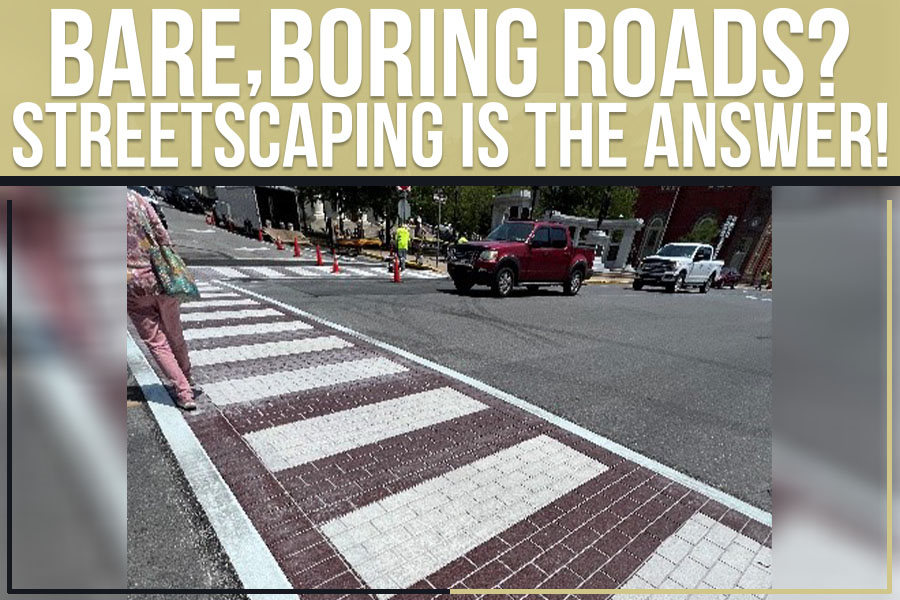
There's nothing quite like a long, uninterrupted drive on a clear, open road. The only problem? Such roads are becoming increasingly rare. Between sprawling suburbs and resurgent downtowns, our streets are getting more crowded and bare. Streetscaping is the answer! Adding trees, planters, and other greenery can make even the busiest thoroughfare feel inviting. Here's how to get started. What is Streetscaping? The busiest streets are often the least inviting. That's where streetscaping comes in! Streetscaping is the process of making roads more attractive and functional. It can involve anything from paving and repainting to installing public art. Architects and urban planners have embraced the concept of streetscaping in recent years. The concept recognizes that a street is a public space where people may engage in various activities. Streetscapes and their visual experience impact public spaces where individuals interact, defining the community's aesthetic quality, economic vitality, health, and sustainability. Common Features of Stareetscaping: 1. Pavement – The most obviously essential part of any street; they play a crucial role in determining a street's character, function, and safety. 2. Sidewalks – They provide a space for pedestrians to walk on and should be wide enough to accommodate two people walking side-by-side. 3. Curb extension or "bulb-outs" – The sidewalk extensions into the street at corners or crossing locations; shorten crossing distances for pedestrians and make it easier to see oncoming traffic. 4. Crosswalks – The painted markings at intersections indicate where people should cross the street; they are usually accompanied by signage and sometimes by special lighting. Why Care About Streetscaping? Like most individuals, you probably don't pay too much attention to the aesthetics of your local roads. But maybe you should! Streetscaping can have several benefits, including: 1. Improving Local Property Values: Broken windows. Crumbling sidewalks. Graffiti. These are only a few things that may portray an area as being run-down and uninviting. But when a streetscape is well-designed and well-maintained, it can increase property values. 2. Attracting Businesses and Visitors: Have you ever noticed that businesses tend to cluster in certain areas? That's because they want to be where the foot traffic is. If you're looking to attract businesses and visitors to your town or city, streetscaping can help. 3. Making a Place More Pedestrian-Friendly: From the younger ones skating to school to the elderly out for a leisurely stroll, pedestrians of all ages benefit from streetscaping. Wider sidewalks, well-placed benches, and more trees and greenery make it easier and more pleasant for people to get around on foot. Who is Responsible for Streetscaping? In most cases, it is the municipality's responsibility to take care of streetscaping. However, sometimes business improvement districts (BIDs) or other groups will spearhead streetscaping initiatives. What's the Process to Get Started? 1. Start with a Plan: The first step is to develop a streetscape plan. It should be a comprehensive document that outlines the proposed changes and how to implement and maintain them. 2. Get the Community Involved: The next step is to get the community involved. It is achievable through public meetings, surveys, and other outreach methods. 3. Implement the Plan: Once the plan has taken shape, and the community is on board, it's time to implement the changes. It's a time-consuming and costly process, but it will be well worth it. Bottom Line: Streetscaping is an ingenious way to add character to your community. It isn't just for aesthetics - it can also make cities more sustainable. Laurel Asphalt, serving Bedford, PA, with over 25 years of experience, is the perfect partner to help your municipality take on a streetscaping project. We have the knowledge and expertise to get the job done right, and we're committed to providing quality customer service. Contact us today to get started!

Sports Court Maintenance: How To Keep Your Tennis Court In Good Condition?

Sports Court Maintenance: How To Keep Your Tennis Court In Good Condition?

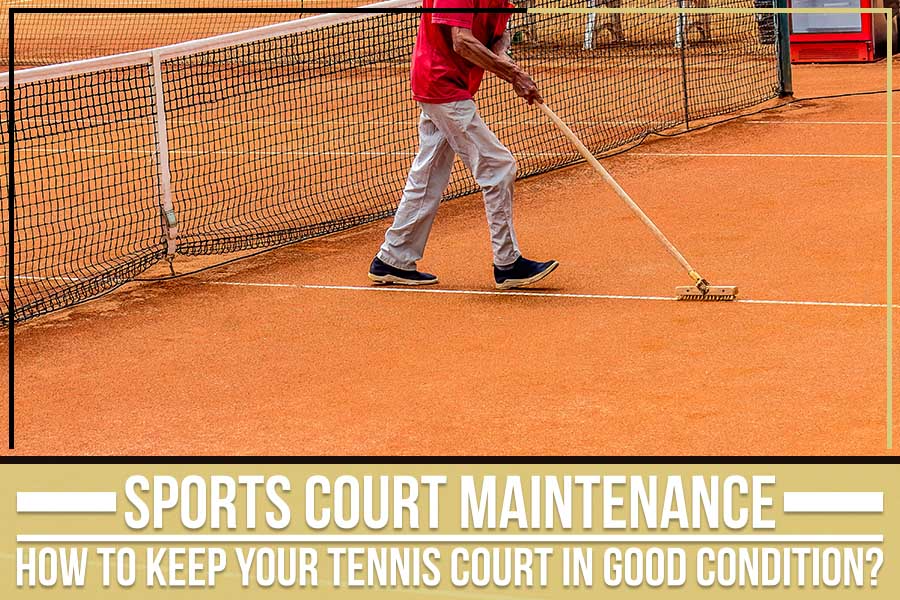
Maintaining your sports court is important to ensure that it stays in good condition for years to come. Basketball and tennis courts can be fun, but only if they are well-maintained. This blog post will discuss some tips on keeping your sports court in good condition. Have it Resurfaced Regularly To maintain an outdoor sports court - you should have it regularly resurfaced by an asphalt paving company. Resurfacing will ensure that your court is level and smooth, necessary for gameplay. It will also help to prevent cracks and potholes formation. In addition, resurfacing will give your court a fresh look and make it more inviting for people to use. Keep It Clean Ensure that your court is cleaned on a regular basis. Debris, leaves, and dirt can all accumulate on your court and make it unsafe to play on. Be sure to sweep your court before each use and hose it down as needed to remove any built-up grime. In addition to sweeping and hosing down your court, you should also have it power-washed by an asphalt company every few years. Power-washing will remove any moss or mildew that has started to grow on your court. You can also get rid of any dirt or stains that have been difficult to remove by sweeping. Apply Sealant Apply a sealant to protect the court from water and weather damage. This will also help to prevent cracks and potholes from forming. Keep track of when to reapply the asphalt sealant every few years or as needed. Asphalt companies can provide helpful services when it comes to maintaining your tennis court. They can resurface your court, apply a sealant, and make repairs as needed. Inspect for Cracks or Damages Inspect for any cracks or damages and repair as necessary. Be sure to smooth out any rough spots, as these can cause trip hazards. They will end up costing you much more if they are left untreated for a long time. Regular maintenance prolongs the life of your court and keeps it looking its best. With a little effort, you can keep your tennis court in good condition for many years to come. You can keep your tennis court in good condition by following these tips. If you need help with maintenance or resurfacing, be sure to contact an asphalt company for more information. Are you looking for a high-quality asphalt company in Altoona, PA? Look no further than Laurel Asphalt! We specialize in building recreational courts and providing asphalt repair and maintenance services. Our team of experienced professionals is dedicated to providing our customers with the best possible service. Our materials are made up of the highest quality, and we have the best workmanship to ensure that your court is built to last. Whether you're looking for a new basketball court, tennis court, or just a place to practice your putting, we can help you create the perfect space. Get your free estimate now!
Best Line Striping Paints That You Can Vouch For

Best Line Striping Paints That You Can Vouch For

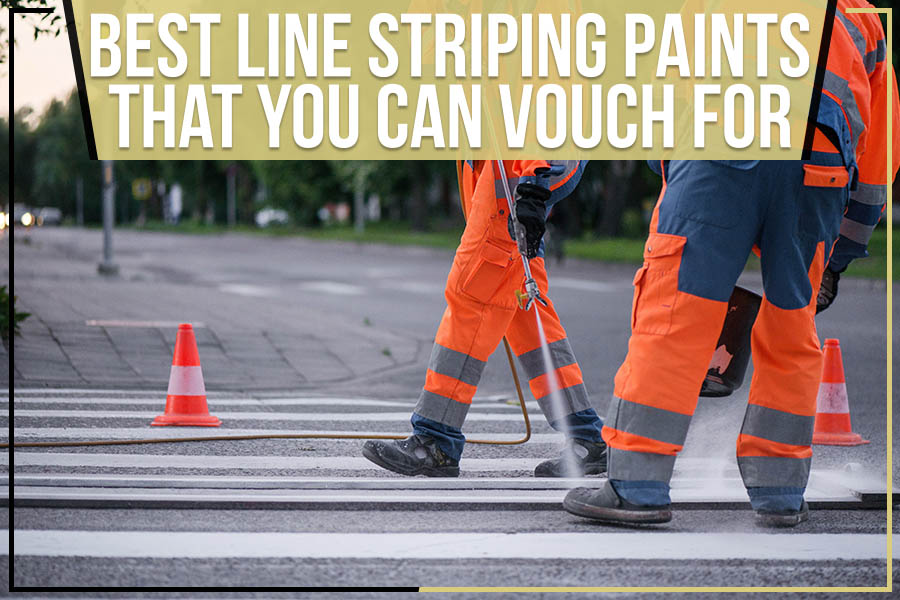
If you are a business owner, you know how important it is to keep your parking lot looking its best. Dull or faded lines can make your business look unprofessional and be a safety hazard. That's why it's essential to use the best line striping paints available. Are you having trouble finding the best line striping paint for your needs? You're not alone. With all of the different brands on the market, it can be hard to know which one will work the best for you. This blog post by Laurel Asphalt looks at some of the best striping paints on the market and what makes them so great. Laurel Asphalt is one of the leading complete paving services providers in Pennsylvania. Learn about some tips on choosing the right paint for your needs. Importance of Line Striping Line striping is an essential task for any business or commercial property. It helps to designate parking spaces, and it can also be used to indicate traffic flow or other important information. When it comes to line striping, you want to use the best possible paints that will hold up against weather and traffic. Types of Line Striping Paints Here are some of the best line striping paints that you can count on: Chalk Striping Paint Can count on: Chalk striping paint is one of the most popular types of line striping paint since it is easy to use and dries quickly. It is also very affordable and easy to use for general purposes. It is extensively used in regions with hot climates. Epoxy-Based Line Striping Paint Epoxy-based line striping paint is more expensive than chalk striping paint, but it is more durable. It can withstand weather and traffic better than other paints, lasting for years. Traffic Marking Paint Traffic marking paint is another type of paint designed to withstand harsh conditions. It is perfect for use on roads, parking lots, and other areas where there is a lot of traffic. Thermoplastic Paint If you're looking for quality line striping paint that is easy to apply, then thermoplastic line striping paint is a great option. This type of paint is made from durable thermoplastic materials, which can withstand harsh weather conditions and heavy traffic. It is also easy to apply, making it an excellent choice for those not experienced in painting. Choosing The Best Paint When choosing a line striping paint, it is crucial to consider your area's climate and traffic conditions. Chalk striping paint may be the best option for climates with high temperatures and low humidity, while epoxy-based line striping paint may better suit colder regions. Traffic marking paint is also an excellent option for high traffic areas, as it is ideal for harsh conditions. Looking for a paving company that can provide you with top-of-the-line line striping paints in Somerset? Laurel Asphalt is a perfect choice. We use the best materials and have a team of experienced professionals who can get the job done quickly and efficiently. Contact us today to get a free quote and learn more about our services.

4 Reasons Why Asphalt Layers Start Slipping Off

4 Reasons Why Asphalt Layers Start Slipping Off

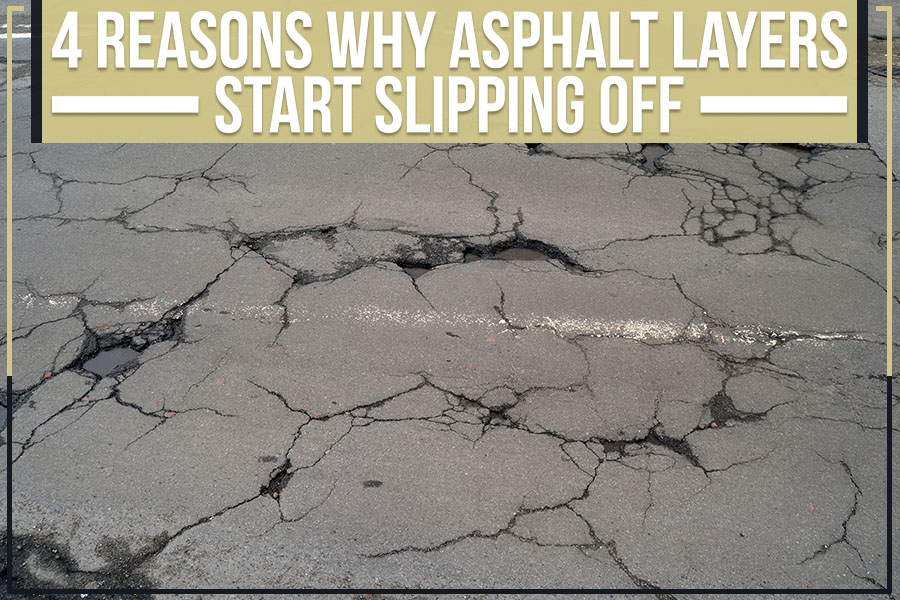
It's not uncommon to see asphalt layers start coming off as the weather warms up. Asphalt is significantly affected by temperature changes, so it's important to be aware of the signs that your asphalt paving is starting to show wear and tear. This blog post will talk about asphalt in detail. Contact a reputable asphalt paving company like Laurel Asphalt if you require asphalt services. A paving service provider will be able to assess your requirements and provide an estimate for the work that needs to be done. In the meantime, here are some reasons why your asphalt pavement is slipping off. To avoid this problem altogether, we have also discussed the preventive measures: You're not inspecting your pavement regularly for any cracks or holes. If you notice signs of damage to your pavement, it's essential to repair it as soon as possible. Asphalt crack sealant can fill in small cracks, while larger holes may require patching. You're not cleaning up the spills or stains immediately. Asphalt is susceptible to staining from oil and other fluids if they sit for too long. You're not keeping an eye on the trees and shrubs around your pavement. Overhanging branches can cause cracks in the asphalt, so it's important to trim them back. A significant reason why asphalt layers start slipping apart is because of the traffic. If too many vehicles are driving on the pavement, it can cause the surface to become worn down. This is why it's crucial to have a regular maintenance schedule for your pavement. Preventive Measures: Asphalt pavement should be sealed every few years to protect it from the elements. A professional paving company can provide this service for you. It's important to have a regular maintenance schedule for your pavement. This includes regular inspections and repairs of any damage that is found. Asphalt pavement should be cleaned regularly to prevent the build-up of dirt and debris. You need to remove any snow or ice from your pavement in cold weather. This will prevent the surface from becoming damaged. Looking for reliable asphalt paving company? Look no further than Laurel Asphalt serving Ligonier! We offer top-quality asphalt solutions at competitive prices, and our experienced team is dedicated to providing every client with the best possible service. We are a one-stop-shop for all your asphalt needs, from simple repairs to full-scale pavement projects. And because we're a local company, we have a deep understanding of the unique challenges of paving in Ligonier. We specialize in commercial and residential asphalt services, and our team of experts is equipped to handle any size job. At Laurel Asphalt, we take pride in our work and are committed to providing our clients with the best possible service. We use only the highest quality materials and equipment, and our experienced crews are skilled in all. Get in touch with us today, or Get a free estimate!

The Dos And Don’ts Of Asphalt Compaction: Make It Or Break It

Asphalt Compaction: The Top Dos and Don’ts for a Stronger Surface

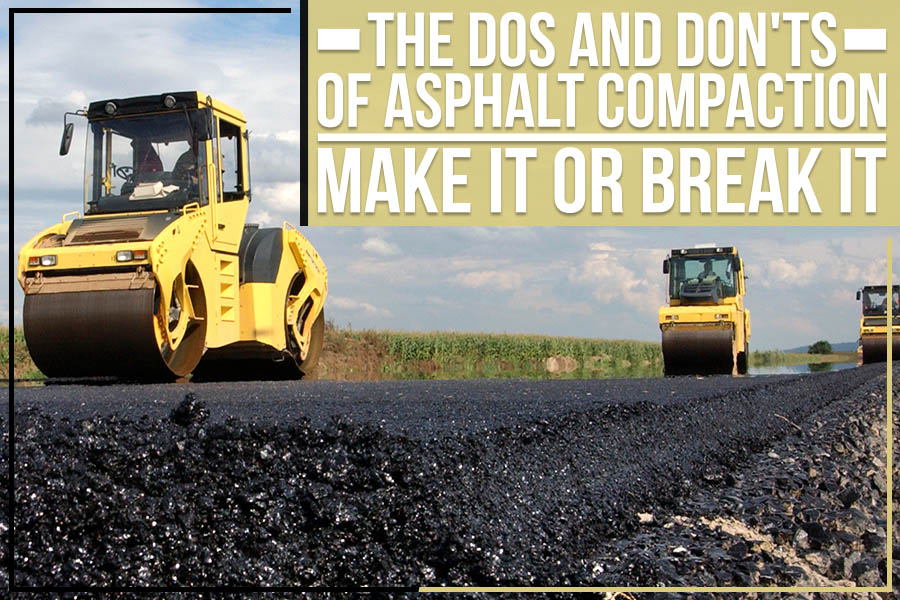
If you're in construction or paving, you know that asphalt compaction can make or break your project. But are you following the right techniques—or making costly mistakes? Proper compaction ensures longer-lasting roads, driveways, and parking lots. In this guide, we’ll break down the most important dos and don’ts of asphalt compaction. Whether you’re managing a large paving job or overseeing routine asphalt maintenance, these tips can save time, reduce repairs, and improve surface performance. Need help with your next project? Contact Laurel Asphalt in Mt. Pleasant, MI for reliable, cost-effective asphalt services. What Is Asphalt Compaction and Why Does It Matter? Asphalt compaction is the process of increasing the density of freshly laid asphalt by removing air voids. This step strengthens the pavement and reduces the risk of common problems like: Cracking Rutting Potholes Premature surface failure Skipping or poorly executing this step can lead to expensive repairs and safety hazards. For a free consultation, contact Laurel Asphalt today. The Don’ts: Mistakes to Avoid During Asphalt Compaction Even skilled contractors can make errors that lead to uneven or unstable surfaces. Here are a few common pitfalls: 1. Skipping Water on Steel Drums Dry steel drums can cause asphalt pick-up, which results in mat damage and drum build-up. Solution: Always ensure a consistent water film on the drum to prevent sticking. 2. Forgetting to Treat Rubber Tires Asphalt can adhere to rubber pneumatic rollers, which then transfer sticky debris to the mat. Solution: Use a proper release agent and reapply regularly during compaction. 3. Overusing Vibratory Passes Multiple slow vibratory passes can cause drum bounce and impact marks. Solution: Aim for fewer, faster passes to maintain smoothness without overcompacting. The Dos: Best Practices for Perfect Asphalt Compaction Doing things right takes experience and attention to detail. Here’s how to maximize your results: 1. Monitor Asphalt Temperature Closely The temperature window for compaction varies by mix type and equipment. Too cold, and you lose density. Too hot, and you risk bulging or bleeding. Pro tip: Compact within the ideal temperature range for your roller type. 2. Use a Smart Rolling Pattern Your roller pattern matters more than you think. A poor pattern can lead to weak spots and poor drainage. Start rolling at the outside edge of your lane Follow the paver’s speed with the breakdown roller Use the intermediate roller to achieve target density Finish with a roller to eliminate surface marks 3. Choose the Right Equipment for the Job Select the appropriate roller based on the type of asphalt, job size, and desired compaction level. Using mismatched equipment can reduce efficiency and surface durability. Why Asphalt Compaction Is Non-Negotiable Proper asphalt compaction is essential for: Increasing surface strength Preventing moisture infiltration Extending pavement life Reducing long-term maintenance costs Whether you’re paving a driveway or a commercial lot, these steps directly impact the quality of your final surface. Want your asphalt project done right the first time? Request a free estimate from Laurel Asphalt in Mt. Pleasant, MI. Work With a Trusted Asphalt Contractor in Mt. Pleasant, MI At Laurel Asphalt, we follow industry best practices for asphalt paving, sealcoating, and compaction. Our experienced team understands the importance of proper rolling techniques, temperature control, and surface preparation. We proudly serve Mt. Pleasant and surrounding Michigan communities with: Asphalt paving and repair Driveway and parking lot construction Sealcoating and crack filling Commercial and residential services Get a Free Estimate from Laurel Asphalt If you're planning an asphalt project, don't leave compaction to chance. Trust the professionals at Laurel Asphalt for a job done right. 📞 Call now or contact us online for a free estimate. Frequently Asked Questions About Asphalt Compaction How many passes does it take to compact asphalt properly? It depends on the mix type, layer thickness, and roller used. Most projects require 3 to 5 passes for ideal compaction. What temperature should asphalt be during compaction? Typically between 220°F and 290°F. Compaction becomes ineffective once the mix cools below 175°F. Can asphalt be over-compacted? Yes. Over-compaction can reduce air voids too much, causing surface bleeding and stability issues. Is a vibratory roller better than a static roller? Vibratory rollers are more efficient for breakdown compaction, but static rollers are essential for finishing without surface damage. When should compaction start after paving? Immediately—within seconds of placement—while the mix is still hot and workable.

More Than Stripes – What Physical Considerations Are Entailed In ADA Compliant Spaces?

More Than Stripes - What Physical Considerations Are Entailed In ADA Compliant Spaces?

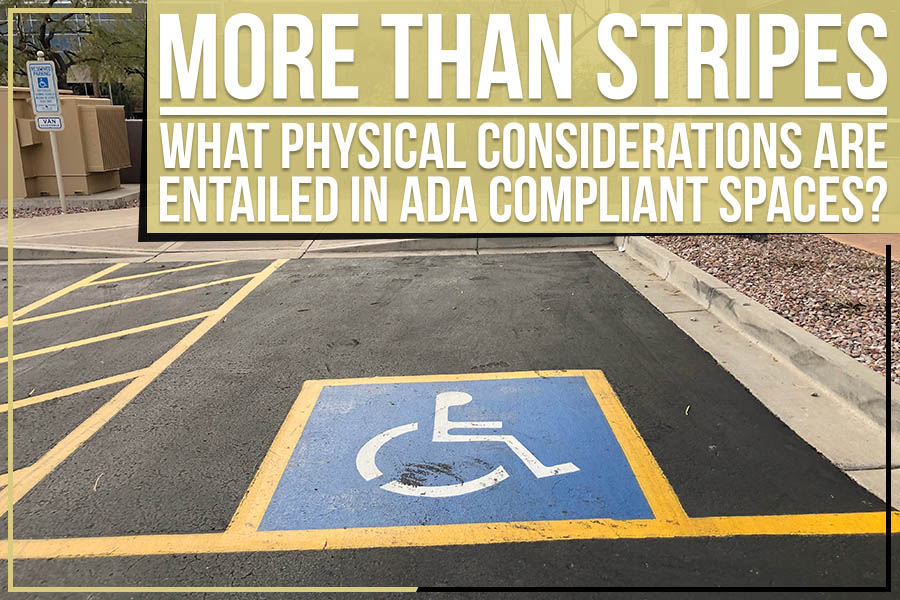
Designing a space to accommodate people with disabilities can be tricky. There are many factors to consider, from the room's layout to the height of the countertops. In this blog post, we'll take a closer look at some of the physical considerations that go into creating ADA-compliant spaces. We'll also discuss some helpful tips shared by Laurel Asphalt for making your property more accessible for everyone. So, if you're wondering what it takes to make your business or home disability-friendly, read on! 1) Ramp and Walkway Requirements For a ramp or walkway to be ADA compliant, it must have a slope of no more than 1:12. In other words, for every 12 inches of height, the ramp or walkway should decline by one inch. It's also essential to make sure that any inclines or declines are gradual, with no sudden changes in elevation. Additionally, ramps and walkways should be at least 60 inches wide and have a grip surface that is both slip-resistant and level. 2) Handrail Requirements If a ramp or walkway is more than six inches high, it must have a handrail. Handrails must be 36 inches tall, with an exception made for those who are using a wheelchair - in that case, the handrail must be between 34 and 38 inches high. They must also be installed on both sides of the ramp or walkway. 3) Signage You should mark handicapped parking spaces in all public areas to indicate the location of accessible entrances, restrooms, and other facilities. Accessible parking spaces must be marked, with adequate directorial signage in all public areas to indicate the location of accessible entrances, restrooms, and other facilities. 4) Lighting ADA compliant spaces need to have adequate lighting, both inside and outside. This is for safety reasons and to make sure that visually impaired people can navigate safely. 5) Emergency Evacuation In an emergency evacuation, it is crucial that people with disabilities can easily and quickly get out of the building. This means having wheelchair-accessible exits and the staff familiar with how to assist those with disabilities during an evacuation. 6) Guardrail Requirements A ramp rising more than 30 inches above an adjacent floor or the ground must have guardrails. The guardrails should be continuous from the ramp's bottom to the top and between 30 and 36 inches high. While line striping may be the first thing that comes to mind when you think of ADA compliance, much more goes into creating an accessible space. From texture and color to signage and parking, making your business or home accessible for everyone requires careful consideration. Thankfully, Laurel Asphalt can help with all of it! We provide free estimates for all our services, so contact us today to get started on your ADA-compliant space in Altoona.

Utility Hole Damage: Hazards & Precautions During Repairs

Utility Hole Damage: Hazards & Precautions During Repairs

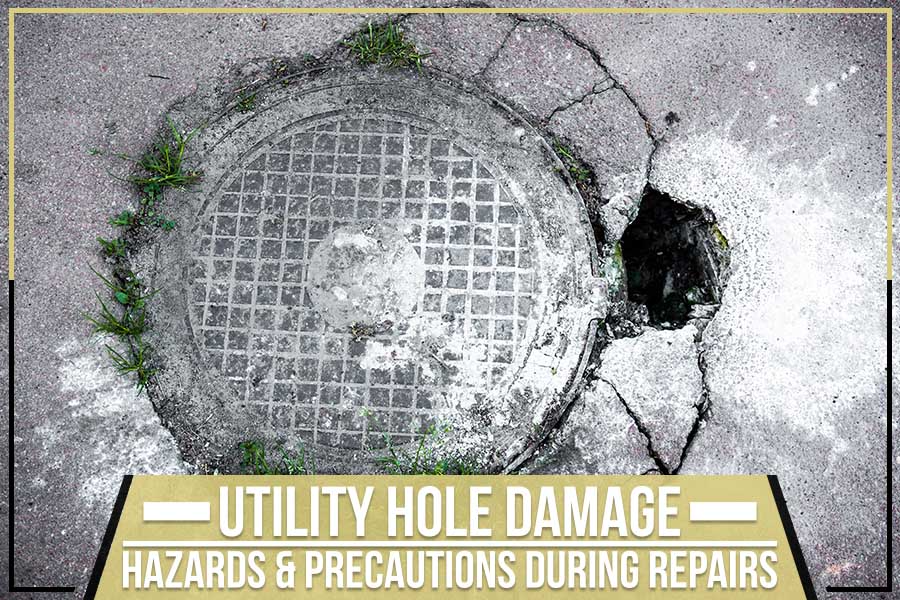
As a homeowner, you're probably used to dealing with all sorts of minor repairs and maintenance issues. But there's one type of repair job that can be especially tricky: fixing a utility hole. If you're not cautious, you could easily damage your property or even injure yourself while trying to fix a utility hole. In this blog post, Laurel Asphalt will give you some tips on safely repairing a utility hole. We'll additionally let you know what to do if you encounter any hazards while working on your property. So read on for basic details you need to know about repairing a utility hole! It’s a Dangerous Task Repairing utility holes can be a dangerous task. They are often filled with dirt, rocks, roots, and other hazards, including water leaks, making it hard to assess the situation. You can keep safe while working on these treacherous holes by knowing what to look for. 1. Utility Holes Are Often Filled with Dirt and Rocks Utility holes are sometimes filled with rocks and dirt that have shifted over time due to erosion or natural processes. While repairing these holes, workers should constantly check around them for shifting rocks or dirt that may indicate more significant problems further down the hole. Even if the rocks don't shift during repair, they could still pose a threat of rolling off onto workers. 2. Utility Holes Are Usually Deeper Than They Appear A utility hole may appear only five feet deep but could be six feet or even more deep. This is particularly concerning for workers who must stand at the bottom of the hole while working. Suppose there's any spillage during the repair. In that case, it doesn't take much for a worker at this depth to become seriously injured by standing in contaminated water, if not drowning first. 3. Workers Are at Risk of Suffocating During Repairs Suppose the utility hole area is blocked off or barricaded with no ventilation. Workers inside will have a risk of suffocation due to lack of Oxygen. Any repairs that need to be done within the utility hole have an even higher risk of asphyxiation if proper ventilation is not provided. 4. Workers Risk Falling into the Utility Hole If Not Properly Braced or Secured Utility holes tend to be deeper than many people realize, so not being properly braced or secured within can mean a fall if someone happens to fall into a deep utility hole. They're at significant risk of getting injured due to the depth; it takes time for people to wade through water before reaching solid ground fully. Additionally, falling into the utility hole also exposes workers to other dangerous substances that may be present (i.e., oil). It's Better to Leave It to the Pros If you're ever in the unfortunate situation of dealing with a utility hole, we hope you find this post helpful. We know it's hard enough to deal with the damage as it is without having to worry about potential safety hazards too. It is always a wise decision to leave it to the pros. At Laurel Asphalt serving Windber, PA, we offer a wide range of services to meet your needs, from asphalt repairs to full-scale paving projects. Our team is dedicated to providing quality workmanship that will stand the test of time. Get a free estimate.

Contact Us

Fill out this form below and we'll contact you shortly

How would you like us to contact you?